

 English
 русский
 Français
 Español
 عربى
عربى
LQ-RRTO معدات حرق درجات الحرارة العالية في تخزين الحرارة الدوارة
قطط:معدات
نظرة عامة على نوع RTO من نوع البرج تقدم شركتنا نوعين من RTO RTO ، والتي هي RTO RTO و RTO ذات البرميل الواحد. يتأكسد RTO الدوراني ، ا...
انظر التفاصيل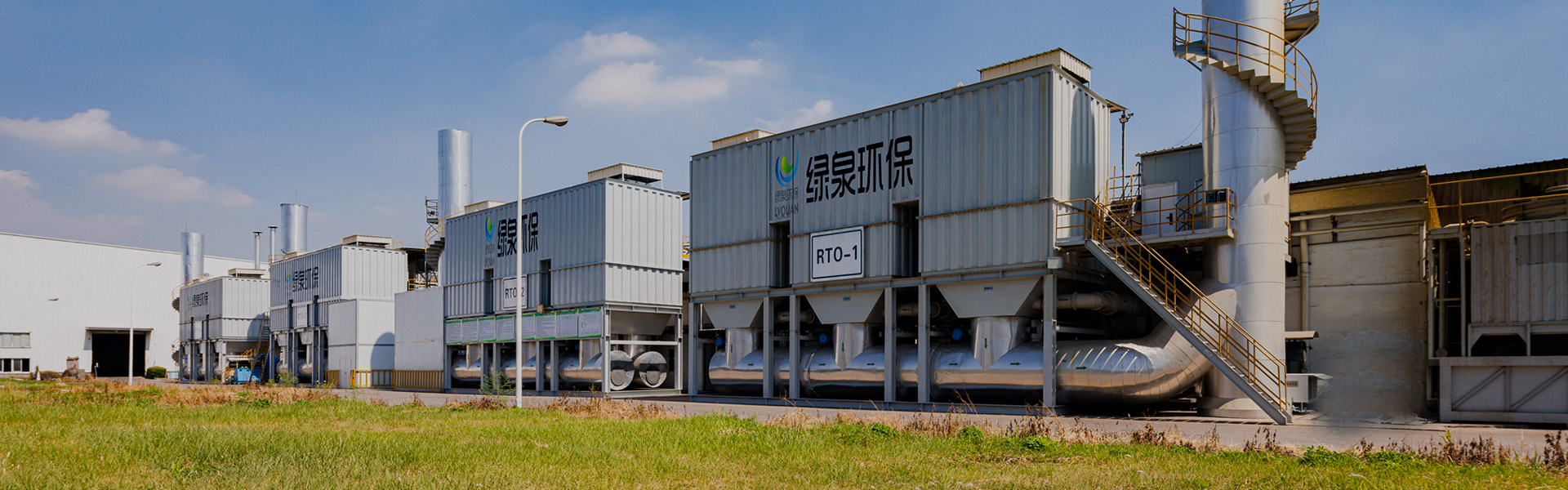
محتوى
يتضمن الدفاع الأساسي ضد مخاطر الحرائق والانفجارات الحفاظ على تركيزات المركبات العضوية المتطايرة أقل من 25% من الحد الأدنى للانفجار (LEL) وتركيب أنظمة إخماد أوتوماتيكية. تعمل المعدات الهندسية لمعالجة غاز النفايات العضوية من المركبات العضوية المتطايرة مع مركبات شديدة الاشتعال، مما يجعل تصميم السلامة الجوهرية غير قابل للتفاوض.
تستخدم أنظمة المعالجة الحديثة طبقات حماية متعددة. يجب أن تقوم أجهزة مراقبة الحد الأدنى للانفجار بإطلاق الإنذارات بتركيز 25% وإيقاف الأنظمة تلقائيًا عند تركيز 50% من الحد الأدنى للانفجار. تتطلب المؤكسدات الحرارية وجود مانعات لهب على أنابيب الدخول ولوحات تخفيف الانفجار بمعدل ضغط زائد يبلغ 0.5-1.0 بار.
| التكنولوجيا | حد الحد الأدنى الأدنى | جهاز السلامة المطلوب |
|---|---|---|
| المؤكسد الحراري المتجدد (RTO) | 25% الحد الأدنى | مانع اللهب تجاوز المثبط |
| المؤكسد الحفزي | 20% الحد الأدنى | حارس السموم التعشيق درجة الحرارة |
| امتصاص الكربون المنشط | 30% الحد الأدنى | كشف النقاط الساخنة لتطهير النيتروجين |
| استعادة التكثيف | لا يوجد حد | كهرباء مقاومة للانفجار (الفئة الأولى القسم 1) |
يجب أن تقوم دورات التطهير قبل بدء التشغيل بتبادل 4-6 أحجام من الأوعية بالهواء النقي. تعتبر تصاريح العمل الساخن إلزامية عندما تتجاوز تركيزات المركبات العضوية المتطايرة 10% من الحد الأدنى للانفجار في المناطق المحيطة. يجب أن تظل مقاومة التأريض الثابتة أقل من 10 أوم لجميع المعدات الموصلة.
عادةً ما تنبع كفاءة الالتقاط الضعيفة من عدم كفاية السرعات السطحية للغطاء التي تقل عن 0.5 م / ث وفتحات العملية غير المغلقة التي تسمح بالانبعاثات الهاربة. تكشف التقييمات الصناعية ذلك 60-80% من الأنظمة ذات الأداء الضعيف تعاني من فشل أساسي في إدارة تدفق الهواء بدلاً من عيوب المعدات.
يجب الحفاظ على أغطية الالتقاط 0.5-1.0 م/ث سرعة الوجه للخزانات السطحية المفتوحة و 0.25-0.5 م/ث للعمليات المغلقة. تتسبب سرعات مجاري الهواء التي تقل عن 10 م/ث في تسرب الجسيمات؛ أعلى من 15 م/ث يؤدي إلى فقدان الضغط المفرط. تعمل الأكواع بزاوية 90 درجة دون تدوير الريش على تقليل الكفاءة بنسبة 15-20%.
| قضية | التأثير النموذجي | طريقة الكشف |
|---|---|---|
| غطاء محرك السيارة بعيد جدًا عن المصدر (> 1.5 × قطر غطاء المحرك) | خسارة 40-60% | تصور أنبوب الدخان |
| تسرب القناة (5% من مساحة السطح) | خسارة 15-25% | اختبار تسوس الضغط |
| أنظمة متعددة الفروع غير متوازنة | خسارة 20-35% | قياس اجتياز بيتوت |
| تدهور سرعة المروحة (تقليل بنسبة 10%) | فقدان التدفق 19% | تحليل الاهتزاز ورسم |
تولد عمليات الطلاء المعتمدة على المذيبات ذروة الانبعاثات 3-5× متوسط التحميل ، جامعي السرعة الثابتة الساحقة. تحافظ محركات التردد المتغير (VFDs) المزودة بتغذية راجعة لمحول الضغط على الالتقاط الأمثل أثناء تقلبات الحمل. تُظهر أنظمة النقل المغلقة معدلات التقاط تتراوح بين 85-95% مقابل 40-60% لخزانات الغمر المفتوحة.
عادةً ما توفر معدات معالجة المركبات العضوية المتطايرة التي يتم صيانتها جيدًا ما بين 8 إلى 15 عامًا من الخدمة، مع وصول المؤكسدات الحرارية إلى 15 إلى 20 عامًا وأنظمة امتصاص الكربون التي تتطلب استبدال الوسائط كل 3 إلى 5 سنوات. يعتمد العمر الفعلي بشكل كبير على مقاومة التآكل، وتكرار التدوير الحراري، ودقة الصيانة الوقائية.
تتحمل وسائط التبادل الحراري الخزفية في RTOs 10-15 سنة قبل أن يؤدي تدهور الصدمة الحرارية إلى تقليل الكفاءة إلى أقل من 85%. تدوم أنابيب الموقد المصنوعة من الفولاذ المقاوم للصدأ في المؤكسدات التي يتم إطلاقها مباشرة 8-12 سنة اعتمادًا على محتوى الكلوريد في تيارات العملية. تتحلل الأسرّة المحفزة للمركبات العضوية المتطايرة المهلجنة بنسبة 40% بشكل أسرع من أولئك الذين يتعاملون مع الكيتونات أو الكحوليات.
| مكون | الحياة القياسية | وضع الفشل |
|---|---|---|
| وسائل الإعلام السيراميك RTO | 10-15 سنة | التكسير الحراري، والتوصيل |
| محفز (معدن ثمين) | 5-8 سنوات | التسمم والتلبيد |
| الكربون المنشط | 3-5 سنوات | تشبع المسام، والاستنزاف |
| محارق الاحتراق | 8-12 سنة | التآكل، تآكل الفوهة |
| مراوح الاستخراج | 10-15 سنة | تحمل ارتداء، والتآكل المكره |
التنفيذ فحوصات التصوير الحراري السنوية يحدد النقاط الساخنة المقاومة للحرارة قبل الفشل الهيكلي. التخزين المؤقت لدرجة الحموضة من تيارات مدخل أقل من 6.0 أو أعلى من 8.0 يطيل عمر مجاري الهواء المصنوعة من الفولاذ الكربوني بمقدار 3-4 سنوات. أنظمة التشغيل مع تقوم المرشحات المسبقة بإزالة 95% من الجسيمات تحقيق عمر أطول للمحفز بنسبة 30%.
يتطلب التحجيم المناسب قدرة فائضة بنسبة 20-30% فوق ذروة التدفق التصميمي لاستيعاب التوسع في الإنتاج دون المساس بكفاءة المعالجة. لا تستطيع الأنظمة ذات الحجم الصغير التي تعمل بسعة 100% التعامل مع تحميل المرشح أو تلوث مجاري الهواء الذي يحدث بشكل طبيعي مع مرور الوقت.
الطلب على المركبات العضوية المتطايرة المهلجنة (كلوريد الميثيلين، بيركلوروإيثيلين). الفولاذ المقاوم للصدأ 316L أو هيكل Hastelloy C لمنع التآكل الإجهاد كلوريد. يتحلل الفولاذ الكربوني بمعدل 10 مرات أسرع في هذه البيئات. بالنسبة للتيارات المحملة بالكيتون، يُحظر استخدام مكونات الألومنيوم بسبب احتمال تكوين بيروكسيد.
أنظمة مراقبة المعلمات المستمرة (CPMS) يجب أن يتتبع درجة حرارة غرفة الاحتراق (دقة ±5 درجة مئوية)، ووقت الاحتفاظ، وكفاءة التدمير. فحوصات المعايرة الأسبوعية وعمليات تدقيق اختبار الدقة النسبية ربع السنوية (RATA) إلزامية بموجب معايير MACT.
تحقيق المؤكسدات الحرارية المتجددة 95-97% كفاءة حرارية من خلال استعادة الحرارة السيراميك. تعمل عجلات المكثف المزودة بوسائط الزيوليت على تقليل التدفقات كبيرة الحجم ومنخفضة التركيز 10:1 إلى 20:1 قبل الأكسدة، خفض استخدام الوقود بنسبة 60-80%.
الفوسفور والكبريت والمعادن الثقيلة تسمم محفزات المعادن الثمينة بتركيزات منخفضة تصل إلى 1 جزء في المليون. تشكل السيليكونات رواسب السيليكا التي تحجب المواقع النشطة. الترشيح المسبق إلى 0.3 ميكرون وتعمل أسرة الحماية من الكربون المنشط على إطالة عمر المحفز بمقدار 2-3 سنوات.
يظل الكربون المنشط فعالاً من حيث التكلفة تطبيقات استعادة المذيبات حيث تكون قيمة المواد الممتزة عند إعادة البيع (> 2 دولار/كجم) وتركيزاتها عند الدخول أقل من 1000 جزء في المليون. تبلغ تكلفة تجديد البخار 0.08-0.12 دولار لكل رطل من الكربون مقابل 0.15-0.25 دولار لتكاليف وقود الأكسدة الحرارية.
يجب أن تحقق دورات التطهير 3 مرات من تغيرات الهواء قبل تقديم التدفقات المحملة بالمركبات العضوية المتطايرة. تستخدم RTOs مواقد الوقود الإضافية للوصول إلى نقطة الضبط 760 درجة مئوية خلال 30 دقيقة. تعمل المخمدات الالتفافية على تحويل الغاز غير النظيف فقط أثناء الظروف المضطربة، وليس عند بدء التشغيل العادي.
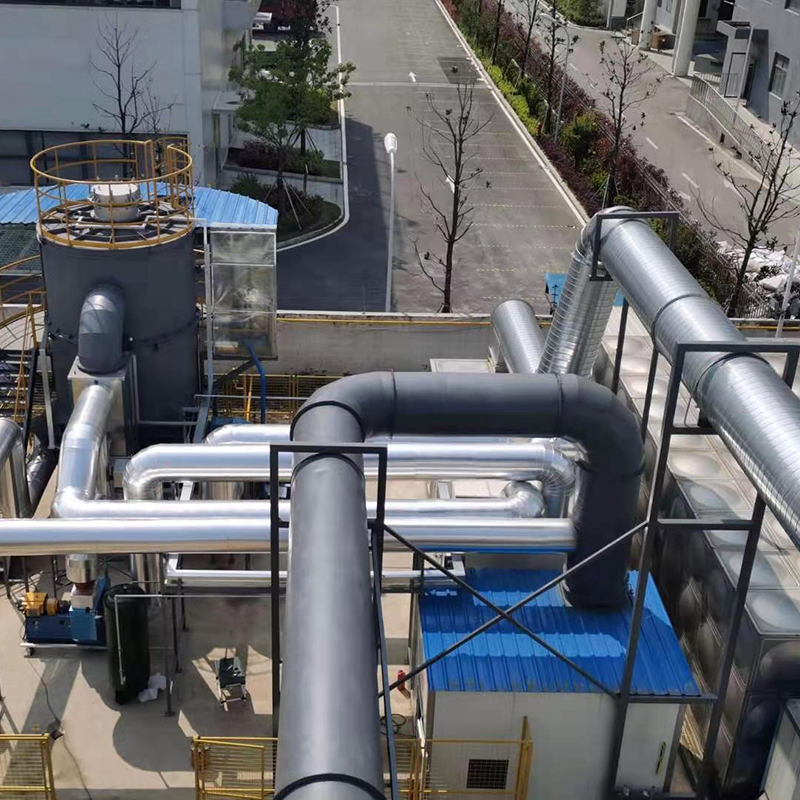
نظرة عامة على نوع RTO من نوع البرج تقدم شركتنا نوعين من RTO RTO ، والتي هي RTO RTO و RTO ذات البرميل الواحد. يتأكسد RTO الدوراني ، ا...
انظر التفاصيل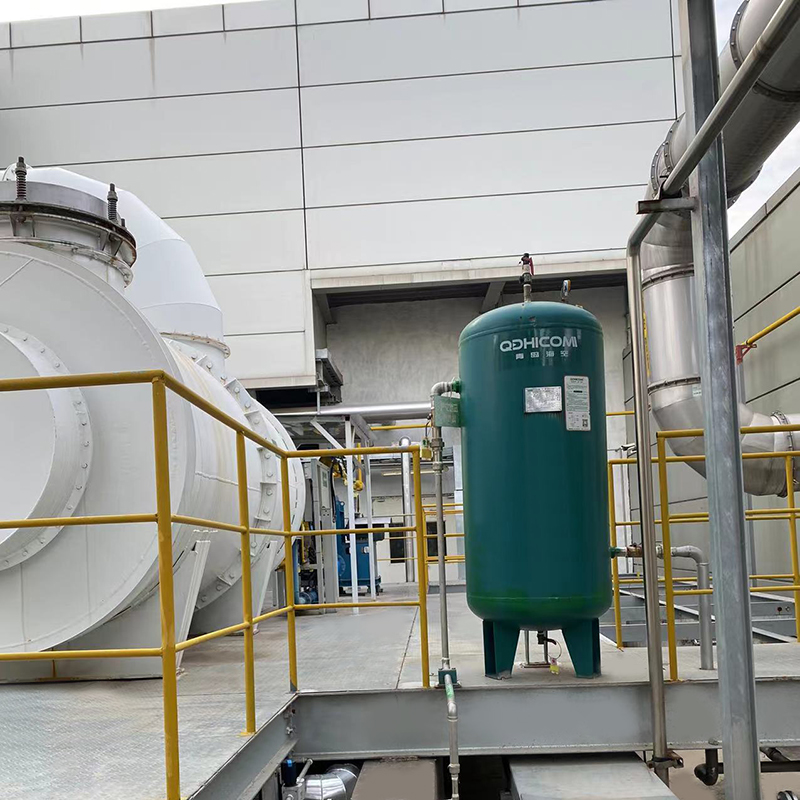
ملخص تستخدم معدات احتراق الاحتراق المباشر ارتفاع درجات الحرارة ، المختصرة ، بالنسبة إلى ، الحرارة الناتجة عن احتراق الوقود الإضافي لزيادة د...
انظر التفاصيل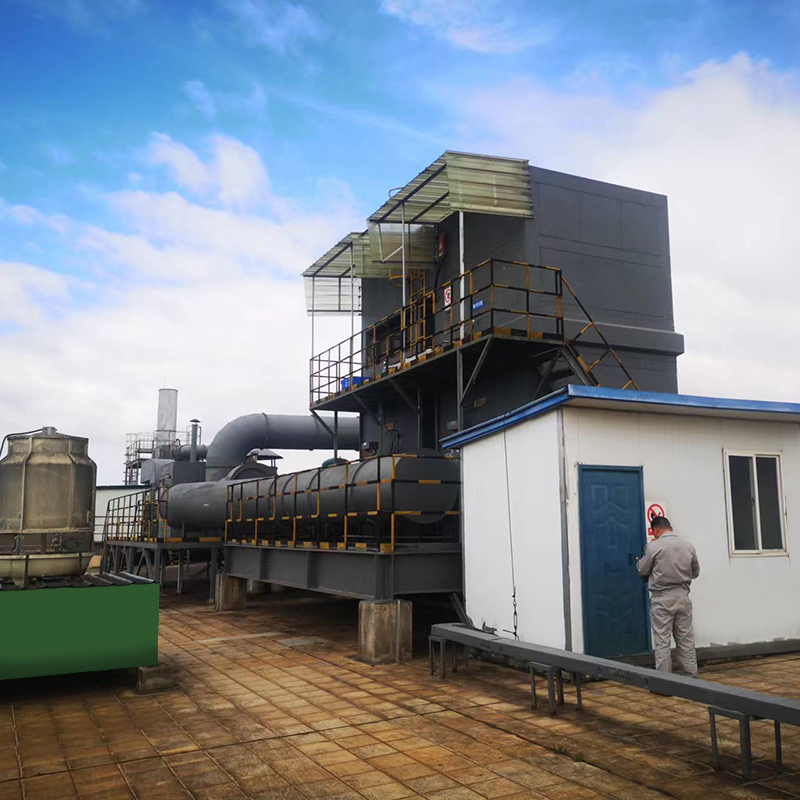
ملخص التخزين الحراري الأكسدة الحفازة (مؤكسد الحفاز التجديدي/RCO) هو معدات معالجة غاز النفايات العضوية التي تجمع بين الأكسدة الحفزية منخفضة ...
انظر التفاصيل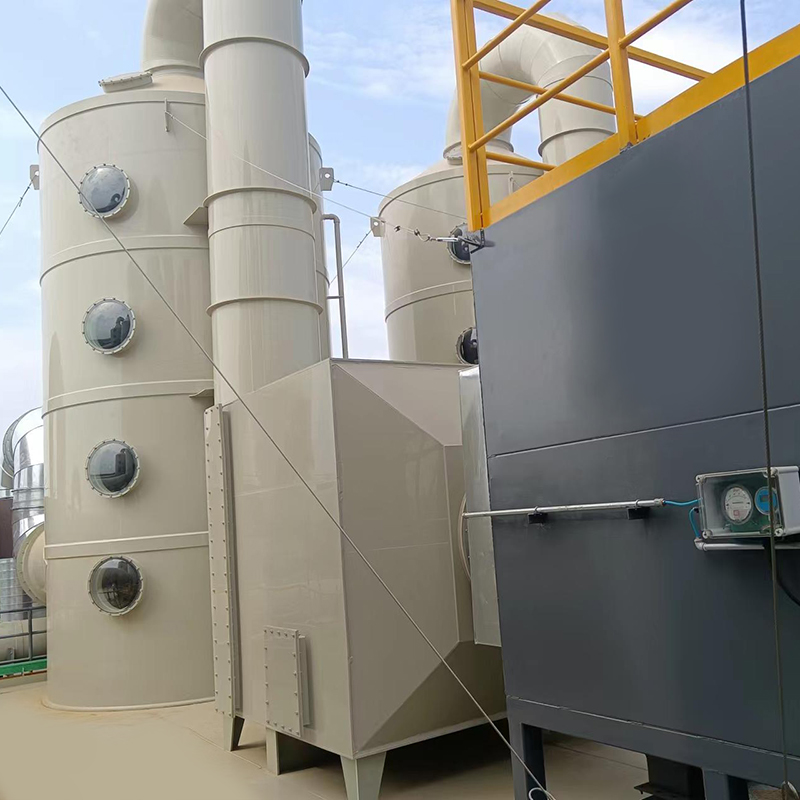
ملخص يتم استخدام معدات تنقية واستعادة الجسيمات العضوية لجسيمات الغاز العضوية من أجل امتصاص غازات النفايات العضوية واستردادها وإعادة استخدام...
انظر التفاصيل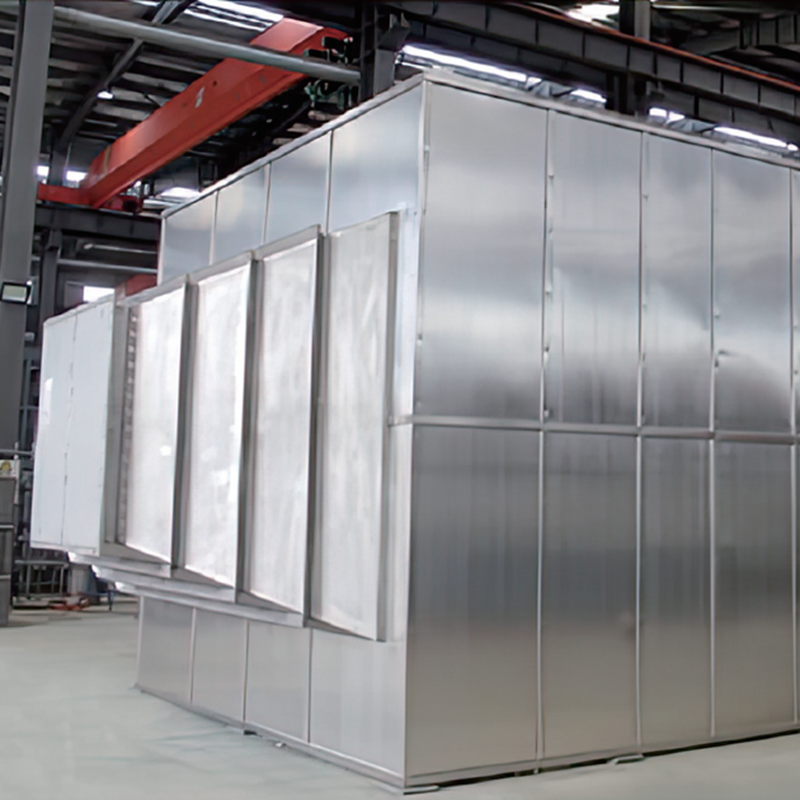
مقدمة المنتج يستخدم المبادل الحراري للغاز بشكل أساسي لصناعات توفير الطاقة وخفض الانبعاثات في استعادة حرارة النفايات لغاز المداخن في مختلف ا...
انظر التفاصيل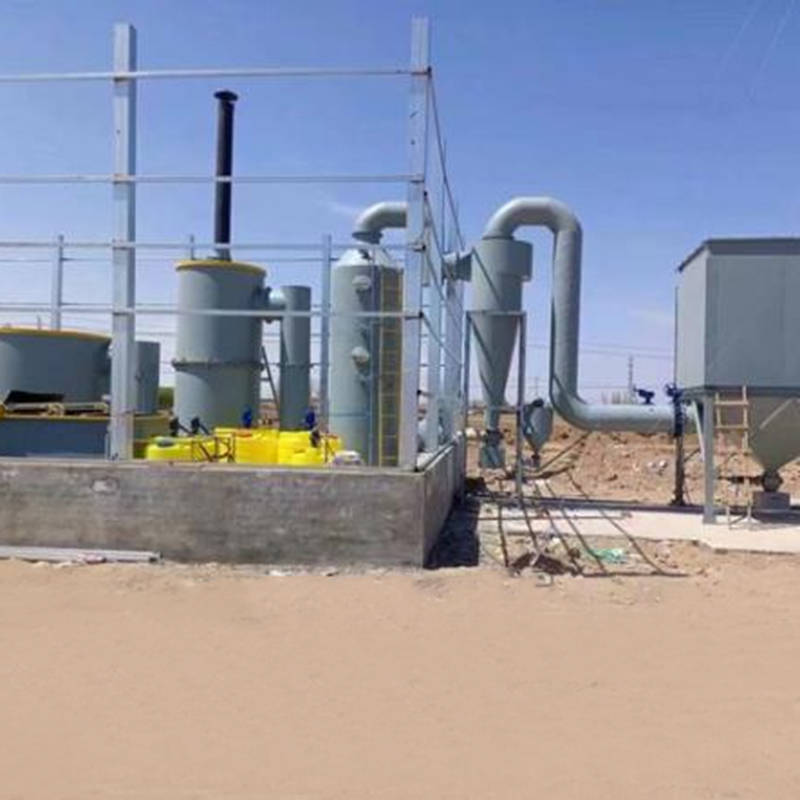
ملخص أفران حرق النفايات الصلبة هي معدات أساسية في إدارة النفايات الصلبة ، المصممة لتحويل مواد النفايات إلى الرماد والغازات من خلال احتر...
انظر التفاصيل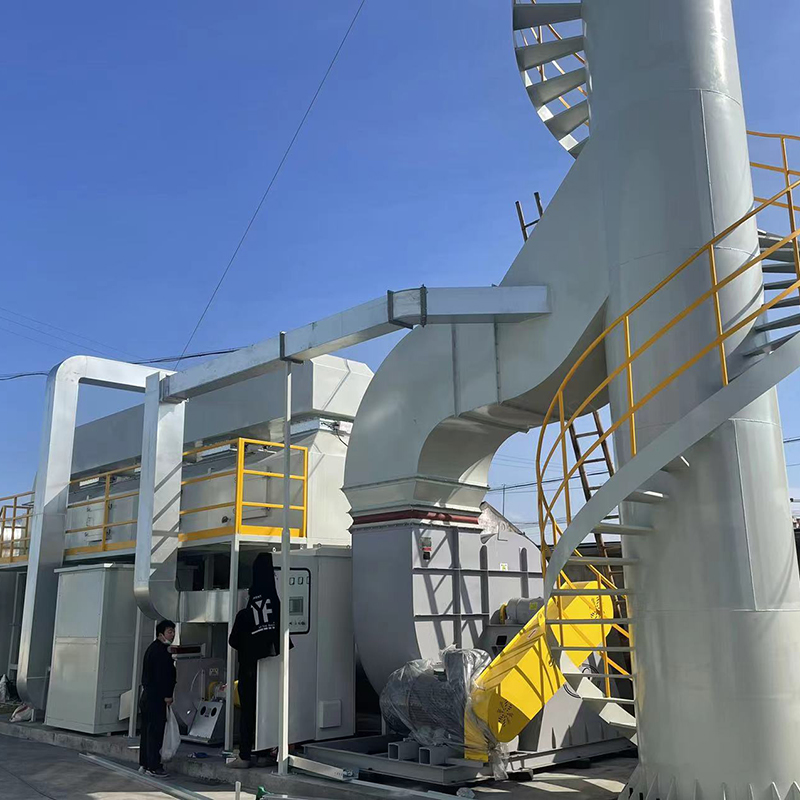
معدات تنقية الحفاز VOC-CFT-COF-CO تعتبر معدات تنقية ExhateCt Exvancytant ExhateCt Exhated ، التي تتألف من احتراق الكربون والاحتراق الحفاز ا...
انظر التفاصيل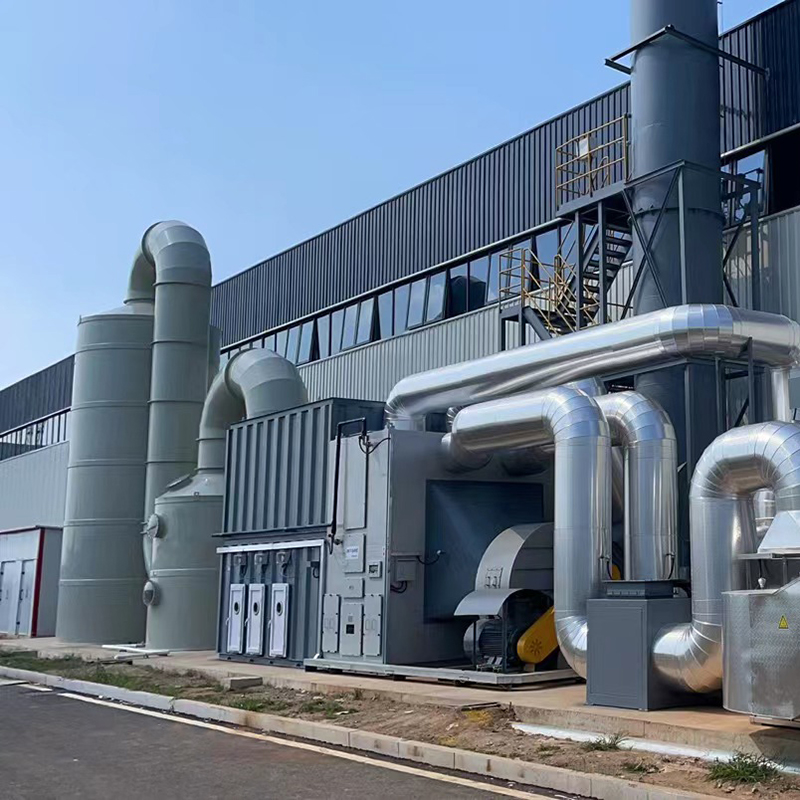
مفهوم الاحتراق الحفاز zeolite السرير الثابت كمجموعة من المعدات جهاز الاحتراق الحفاز السرير الثابت من السرير مناسب لعلاج تركيز وامتزاز الترك...
انظر التفاصيل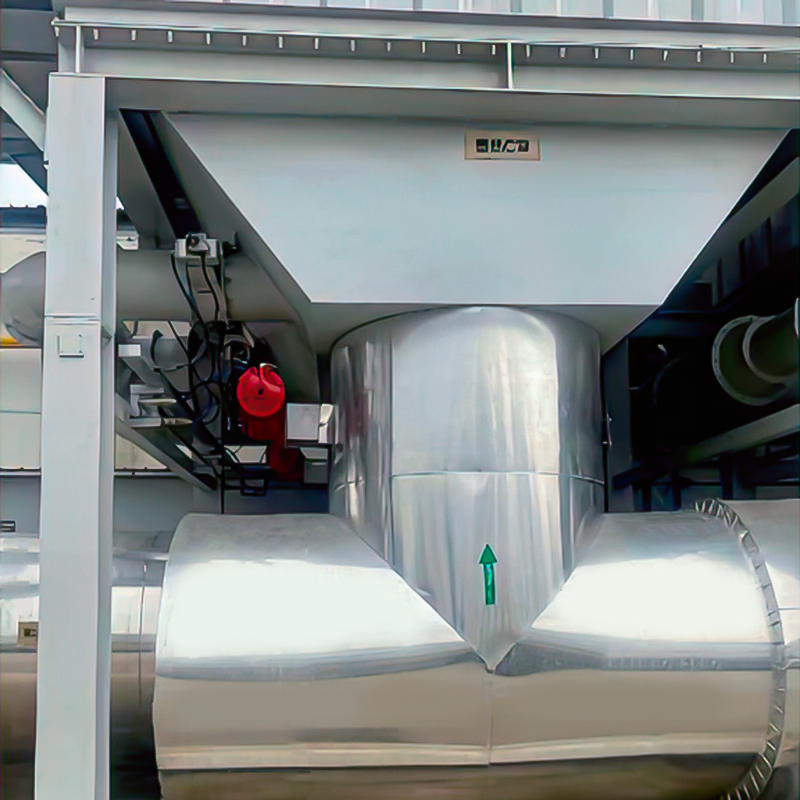
غاية يستخدم بشكل رئيسي للتهوية النسبية لغاز المداخن عالية الحرارة. يستخدم LT على نطاق واسع في الأماكن التي لا تكون فيها متطلبات معدل التسرب...
انظر التفاصيل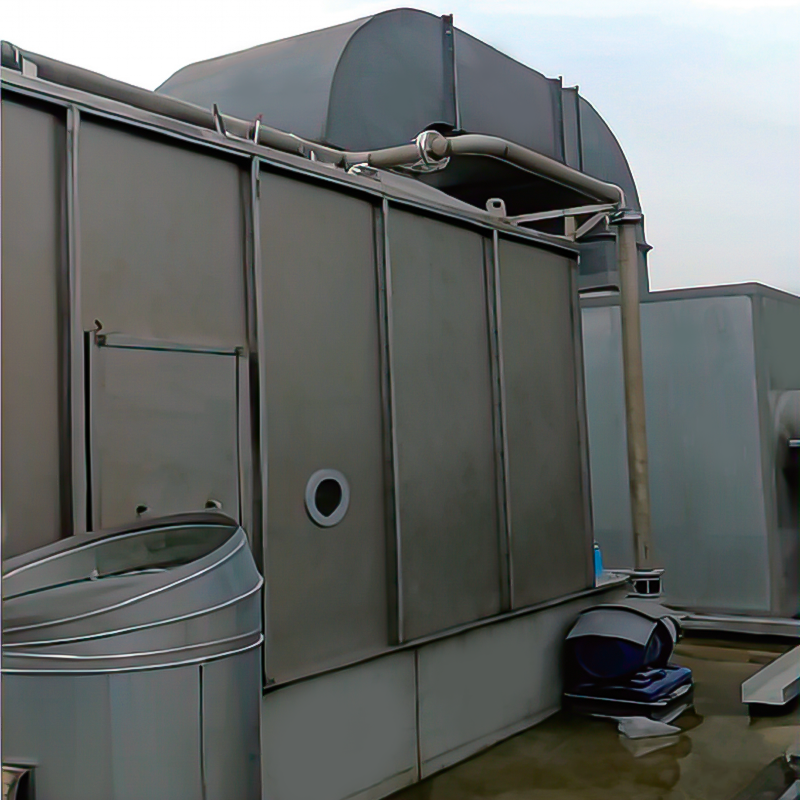
ملخص يستخدم مبدأ إزالة الغبار الرطب عملية التقاط وفصل جزيئات الغبار في مرحلة الغاز عن طريق الاتصال بالكامل بمرحلتين سائل الغاز. حاليا ، الأ...
انظر التفاصيلرمز الاستجابة السريعة
وصف المنتج

حقوق الطبع والنشر © Lv Quan Environmental Protection Engineering Technology Co., Ltd. جميع الحقوق محفوظة.
