Lv Quan Environmental Protection Engineering Technology Co., Ltd.
  • الصفحة الرئيسية
  • منتج
    • معدات
    • هندسة
    • مُكَمِّلات
  • الحلول
    • صناعة البتروكيماويات
    • صناعة الأدوية والمواد الكيميائية
    • صناعة الطلاء
    • صناعة الآلات
    • صناعة الرسم
    • صناعة الإلكترونيات
  • القدرة
    • البحث والتطوير
    • خدمة
    • تصنيع
  • معلومات عنا
    • شهادة
    • مصنع
  • أخبار
    • أخبار الشركة
    • أخبار الصناعة
    • أخبار المعرض
  • اتصل بنا
Lv Quan Environmental Protection Engineering Technology Co., Ltd.
  • Lv Quan Environmental Protection Engineering Technology Co., Ltd. English
  • Lv Quan Environmental Protection Engineering Technology Co., Ltd. русский
  • Lv Quan Environmental Protection Engineering Technology Co., Ltd. Français
  • Lv Quan Environmental Protection Engineering Technology Co., Ltd. Español
  • Lv Quan Environmental Protection Engineering Technology Co., Ltd. عربى
Lv Quan Environmental Protection Engineering Technology Co., Ltd.

قائمة الويب

  • الصفحة الرئيسية
  • منتج
    • معدات
    • هندسة
    • مُكَمِّلات
  • الحلول
    • صناعة البتروكيماويات
    • صناعة الأدوية والمواد الكيميائية
    • صناعة الطلاء
    • صناعة الآلات
    • صناعة الرسم
    • صناعة الإلكترونيات
  • القدرة
    • البحث والتطوير
    • خدمة
    • تصنيع
  • معلومات عنا
    • شهادة
    • مصنع
  • أخبار
    • أخبار الشركة
    • أخبار الصناعة
    • أخبار المعرض
  • اتصل بنا

البحث عن المنتج

لغة

  • Lv Quan Environmental Protection Engineering Technology Co., Ltd. English
  • Lv Quan Environmental Protection Engineering Technology Co., Ltd. русский
  • Lv Quan Environmental Protection Engineering Technology Co., Ltd. Français
  • Lv Quan Environmental Protection Engineering Technology Co., Ltd. Español
  • Lv Quan Environmental Protection Engineering Technology Co., Ltd. عربى

يشارك

الخروج

  • أخبار الصناعة
    الصفحة الرئيسية / أخبار / أخبار الصناعة / What is the removal efficiency of the Organic Waste Gas Treatment Equipment?

What is the removal efficiency of the Organic Waste Gas Treatment Equipment?

محتوى

  • 1 Over 95% Removal Efficiency Is Achievable with Advanced Organic Waste Gas Treatment Equipment
  • 2 How to Achieve Over 95% Removal Efficiency: Critical Factors
  • 3 Removal Efficiency Comparison: Common Organic Waste Gas Treatment Technologies
  • 4 Frequently Asked Questions (FAQs) on Organic Waste Gas Treatment Equipment Efficiency
    • 4.1 1. Can removal efficiency ever reach 99% in real-world conditions?
    • 4.2 2. Why does my current system show only 70-80% efficiency?
    • 4.3 3. How often should I measure removal efficiency to ensure >95% compliance?
    • 4.4 4. Does humidity affect adsorption-based organic waste gas treatment equipment efficiency?
    • 4.5 5. What is the typical efficiency guarantee from a professional manufacturer like Lv Quan?
  • 5 Real-World Case: Achieving 96.8% Efficiency in a Pharmaceutical Coating Line
  • 6 Summary: Key Actions to Maintain >95% Removal Efficiency

Over 95% Removal Efficiency Is Achievable with Advanced Organic Waste Gas Treatment Equipment

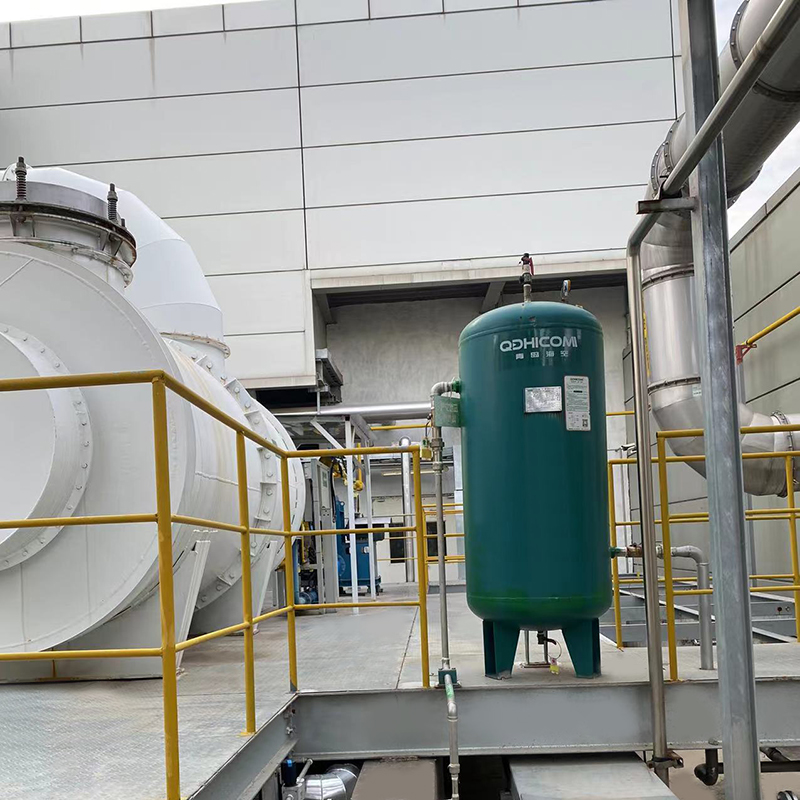
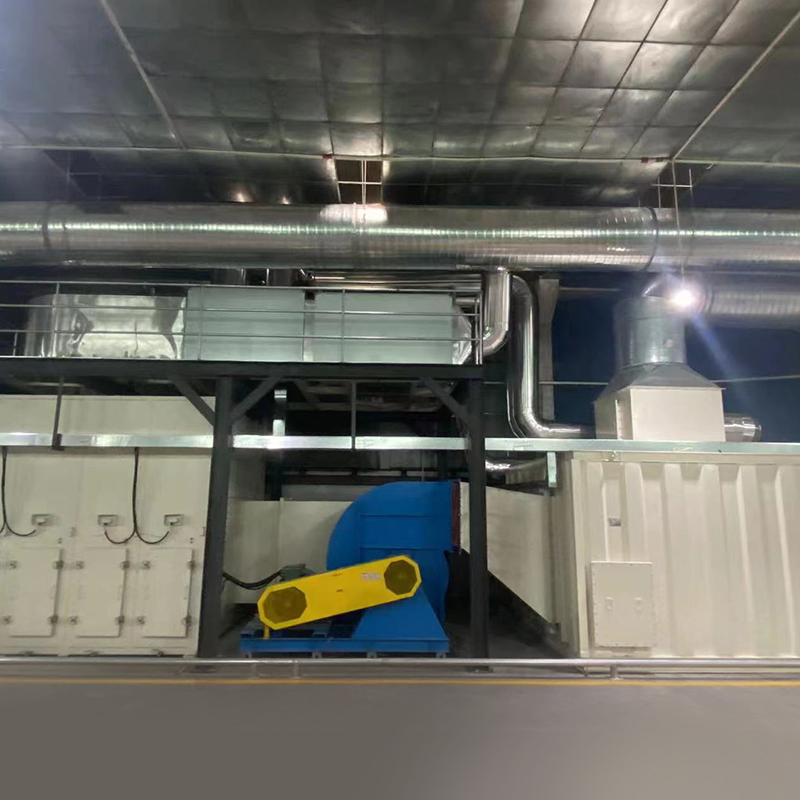
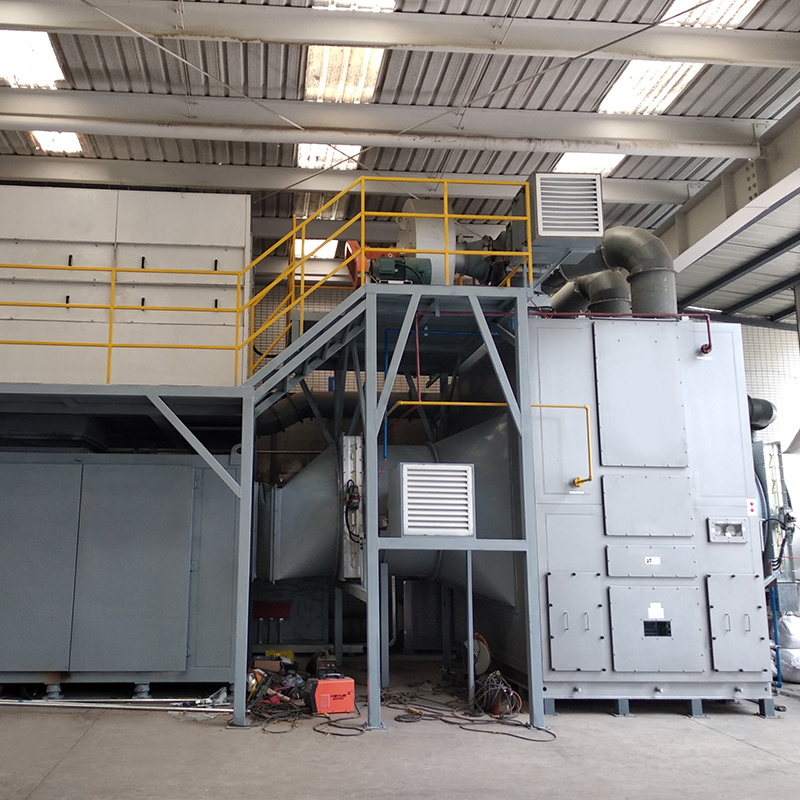
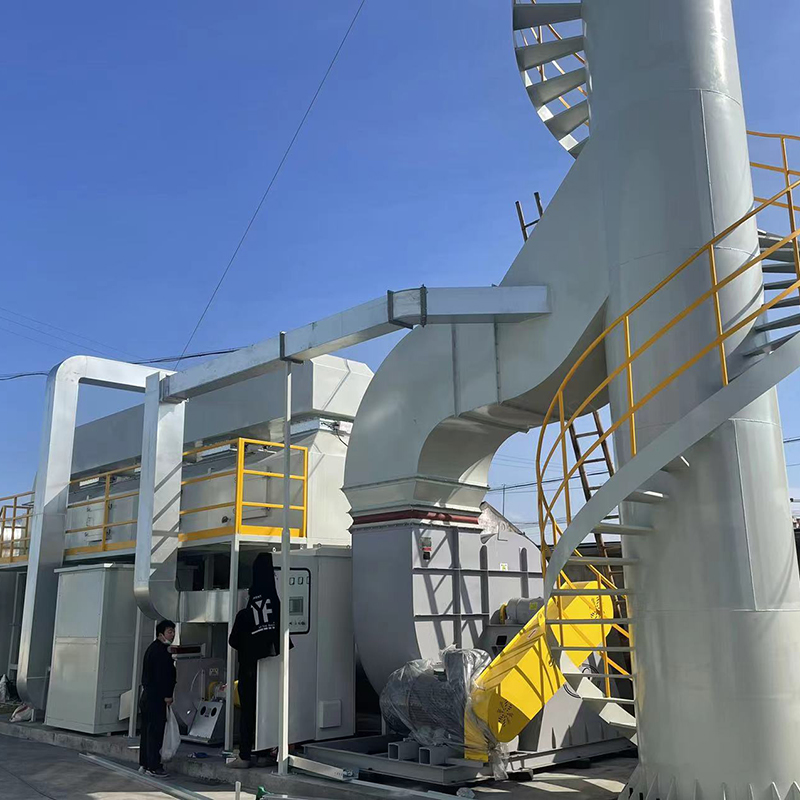
Yes, modern organic waste gas treatment equipment can consistently achieve removal efficiencies exceeding 95% for Volatile Organic Compounds (VOCs). For well-engineered systems such as regenerative thermal oxidizers (RTO) or combined adsorption-concentration + incineration units, efficiencies of 98-99% are common under proper operating conditions. The key lies in selecting the right technology, maintaining optimal parameters, and integrating pre-treatment steps.

For example, at Lv Quan Environmental Protection Engineering Technology Co., Ltd., our RTO systems and adsorption-desorption catalytic combustion units routinely demonstrate removal rates of 96-99% in real-world applications across automotive, petrochemical, and printing industries. Lower efficiencies (below 80%) typically indicate mismatched technology, improper maintenance, or variable inlet loadings.

How to Achieve Over 95% Removal Efficiency: Critical Factors

Attaining and sustaining >95% removal efficiency requires a systematic approach. Based on our 30+ years of VOCs equipment design and manufacturing, the following five pillars are essential:

  • Proper technology selection: Match the waste gas stream (flow rate, concentration, temperature, humidity, particulate loading) with the optimal treatment method. For medium-to-high concentration (500-5000 mg/m³), RTO achieves 95-99%. For low concentration large-volume streams, a rotor concentrator + RTO/CO is superior.
  • Pre-treatment integrity: Remove particulate matter, acid gases, and sticky oils before the main unit. A well-designed pre-treatment system (e.g., dry filters, scrubbers) protects the core media and prevents efficiency decay. Data shows that without pre-treatment, efficiency drops by 0.5-1% per month due to fouling.
  • Optimal thermal or adsorption parameters: For thermal oxidizers, maintain combustion temperature at 760-850°C with sufficient residence time (0.5-1.0 seconds). For adsorption systems, control inlet relative humidity below 60% and use high-grade activated carbon or zeolite with >700 m²/g surface area.
  • Real-time monitoring and control: Install continuous emission monitoring systems (CEMS) with PID or FID sensors. Closed-loop PLC control adjusts damper positions, temperature setpoints, and airflow rates instantly. Facilities using automated control report 5-8% higher average efficiency than manual operations.
  • Regular maintenance & media replacement: For adsorption wheels or carbon beds, schedule regeneration or replacement based on breakthrough curves – typically every 2-3 years for carbon, 5-7 years for zeolite rotors. Thermal systems require quarterly burner and ceramic media inspections.

At Lv Quan, our integrated systems (e.g., adsorption + catalytic combustion) have demonstrated stable 97% efficiency over 3-year continuous operation in a pharmaceutical solvent recovery project, with monthly performance deviation under ±1.5%.

Removal Efficiency Comparison: Common Organic Waste Gas Treatment Technologies

Different technologies yield varying removal efficiencies. The table below summarizes typical performance ranges based on field data from over 200 installed systems by Lv Quan Environmental Protection Engineering Technology Co., Ltd.

Table 1: Typical VOC removal efficiency ranges for common treatment technologies (based on real operating data)
Technology Typical Removal Efficiency Best Applicable Concentration Range Energy Consumption (relative)
Regenerative Thermal Oxidizer (RTO) 95-99% 500 - 5000 mg/m³ Moderate-High
Catalytic Oxidizer (CO) 90-98% 300 - 3000 mg/m³ Moderate
Activated Carbon Adsorption (non-regenerative) 85-92% (initial), decays to <70% < 1000 mg/m³ Low
Zeolite Rotor + RTO/CO 93-97% (overall) 100 - 1500 mg/m³ (large volume) Low-Moderate
Biological Filtration 60-85% < 300 mg/m³, water-soluble VOCs Very Low

As shown, RTO and RTO-combined systems deliver the highest and most stable removal rates, making them the preferred choice for stringent emission regulations (e.g., ≥95% efficiency required by many local permits).

Frequently Asked Questions (FAQs) on Organic Waste Gas Treatment Equipment Efficiency

1. Can removal efficiency ever reach 99% in real-world conditions?

Yes. For example, Lv Quan's RTO systems treating printing press exhaust (ethanol, ethyl acetate, ~1800 mg/m³) achieved 99.2% removal efficiency during a 72-hour continuous compliance test. The key is maintaining combustion temperature at 820°C with a ceramic media heat recovery efficiency >95%.

2. Why does my current system show only 70-80% efficiency?

Common causes include: (a) Inadequate pre-treatment leading to catalyst or adsorbent poisoning; (b) Combustion temperature below 700°C for thermal units; (c) Channeling in adsorption beds due to uneven airflow; (d) Overloaded inlet concentration beyond design capacity. A site audit by an experienced provider (like Lv Quan, with 30+ years in VOCs design) typically identifies the bottleneck.

3. How often should I measure removal efficiency to ensure >95% compliance?

For continuous monitoring, install a CEMS with hourly average reporting. For periodic verification, conduct stack sampling monthly or quarterly. Our experience shows that systems with weekly PID spot checks maintain efficiency 3-5% higher than those checked only quarterly.

4. Does humidity affect adsorption-based organic waste gas treatment equipment efficiency?

Significantly. For activated carbon systems, relative humidity above 60% reduces adsorption capacity by up to 40%. For zeolite rotors, the effect is less but still notable: >75% RH can lower efficiency by 15-20%. Always include a dehumidification or pre-cooling step when treating humid exhaust.

5. What is the typical efficiency guarantee from a professional manufacturer like Lv Quan?

We contractually guarantee ≥95% removal efficiency for RTO and adsorption-concentration systems under design conditions, with a performance test within 30 days of commissioning. For projects requiring ultra-low emissions, we offer 98% guarantee with a 3-year warranty on core components (ceramic media, heat exchangers, control valves).

Real-World Case: Achieving 96.8% Efficiency in a Pharmaceutical Coating Line

A pharmaceutical client in Jiangsu Province (China) faced VOC emissions of 1200 mg/m³ (mainly ethanol, isopropanol, and dichloromethane) from a tablet coating line. Their existing carbon adsorber delivered only 68% efficiency, failing local standards. Lv Quan Environmental Protection Engineering Technology Co., Ltd. designed and installed a pre-filter + two-stage zeolite rotor concentrator + RTO system.

Results after 6 months of operation:

  • Average removal efficiency: 96.8% (range 95.2% – 98.1%)
  • Outlet concentration consistently below 40 mg/m³, exceeding local limit of 80 mg/m³
  • Energy recovery from RTO reduced natural gas consumption by 37% compared to a standard thermal oxidizer
  • System uptime: 99.3% over 6 months, with only scheduled maintenance

This case demonstrates that with proper engineering, even challenging pharmaceutical streams can achieve >95% efficiency reliably.

Summary: Key Actions to Maintain >95% Removal Efficiency

To summarize the practical steps for achieving and sustaining high performance in organic waste gas treatment equipment:

  1. Perform a detailed waste gas characterization (flow, concentration, humidity, particulate, temperature, VOC species).
  2. Select the appropriate core technology – for >95% target, prefer RTO or zeolite rotor + RTO/CO.
  3. Include robust pre-treatment: dry particulate filter (G4 to F9) and optional acid/alkali scrubber.
  4. Install online monitoring for temperature, pressure drop, and outlet concentration.
  5. Follow a manufacturer-recommended maintenance schedule – Lv Quan provides detailed checklists with every system.
  6. Train operators on the specific control logic and emergency procedures.

By adhering to these guidelines, industrial facilities can confidently meet the most stringent emission standards while optimizing operating costs. As a specialized organic waste gas treatment equipment factory with ISO9001, ISO14001 certifications and over 30 years of VOCs expertise, Lv Quan Environmental Protection Engineering Technology Co., Ltd. remains committed to delivering reliable, high-efficiency solutions tailored to each client's unique exhaust profile.

السابق: What Is Fixed Bed Zeolite Adsorption Catalytic Oxidation?
التالي: How does VOCs organic waste gas treatment engineering equipment prevent the risks of fire and explosion?

المنتجات ذات الصلة

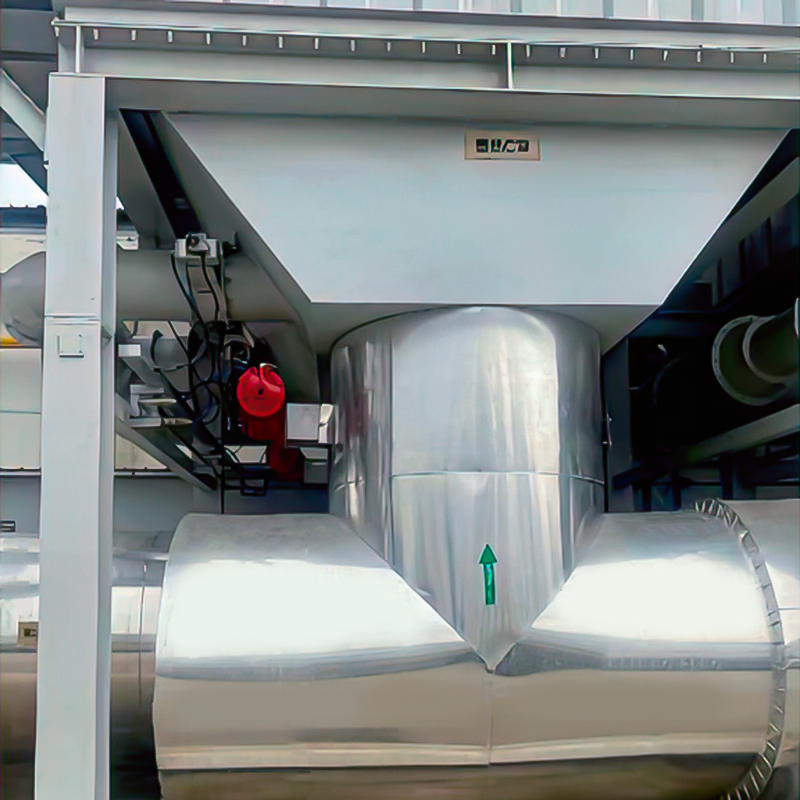
  • LQ-RTO تخزين الحرارة معدات حرق درجات الحرارة العالية

    LQ-RTO تخزين الحرارة معدات حرق درجات الحرارة العالية

    قطط:معدات

    نظرة عامة على نوع RTO من نوع البرج المؤكسد الحراري المتجدد (RTO) هو معدات معالجة غاز النفايات العضوية التي تجمع بين الأكسدة ذات درجة الحرار...

    انظر التفاصيل
  • LQ-RRTO معدات حرق درجات الحرارة العالية في تخزين الحرارة الدوارة

    LQ-RRTO معدات حرق درجات الحرارة العالية في تخزين الحرارة الدوارة

    قطط:معدات

    نظرة عامة على نوع RTO من نوع البرج تقدم شركتنا نوعين من RTO RTO ، والتي هي RTO RTO و RTO ذات البرميل الواحد. يتأكسد RTO الدوراني ، ا...

    انظر التفاصيل
  • معدات تنقية حرق درجات الحرارة العالية التي تعمل بدرجة حرارة LQ (إلى الفرن)

    معدات تنقية حرق درجات الحرارة العالية التي تعمل بدرجة حرارة LQ (إلى الفرن)

    قطط:معدات

    ملخص تستخدم معدات احتراق الاحتراق المباشر ارتفاع درجات الحرارة ، المختصرة ، بالنسبة إلى ، الحرارة الناتجة عن احتراق الوقود الإضافي لزيادة د...

    انظر التفاصيل
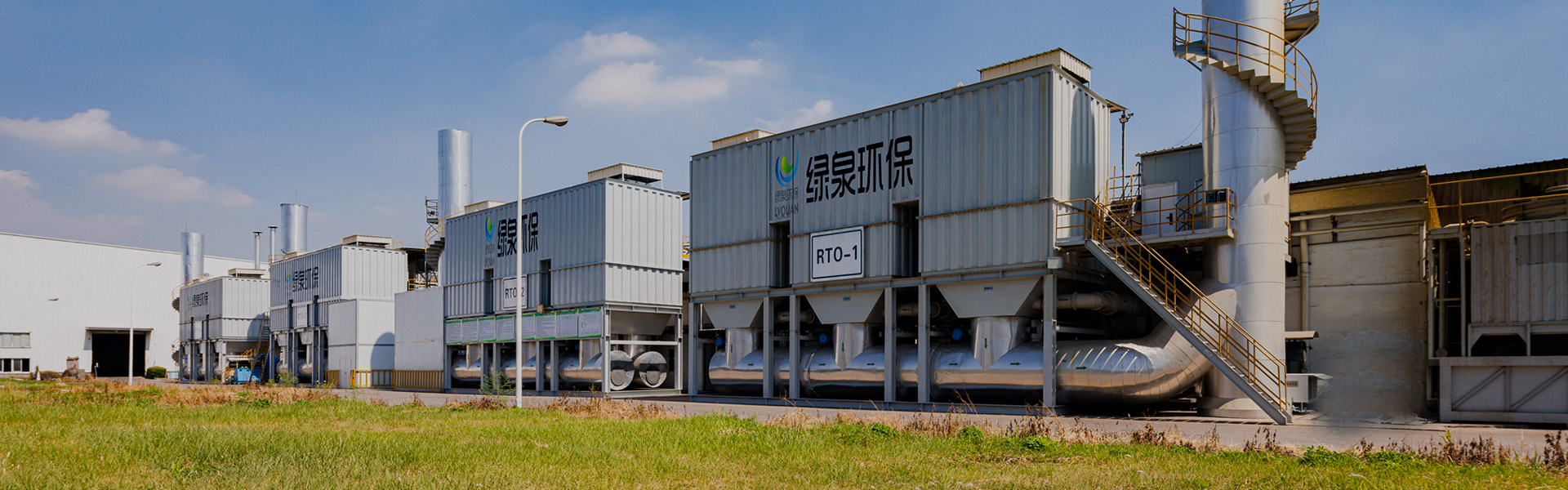
  • LQ-CO معدات الاحتراق الحفاز

    LQ-CO معدات الاحتراق الحفاز

    قطط:معدات

    ملخص الاحتراق الحفاز هو طريقة تنقية تستخدم المحفزات لأكسدة المواد القابلة للاحتراق وتحللها في غاز العادم في درجات حرارة منخفضة. لذلك ، يُعر...

    انظر التفاصيل
  • LQ-ADW Zeolite Detating Drum (نوع الأسطوانة)

    LQ-ADW Zeolite Detating Drum (نوع الأسطوانة)

    قطط:معدات

    نظرة عامة على المتغيرات المتغيرة زيوليت القرص الدوار يستخدم تركيز زيوليت لشركتنا مجموعة من وحدات الزيوليت ، مع محتوى عالي الزيوليت ومعدل ام...

    انظر التفاصيل
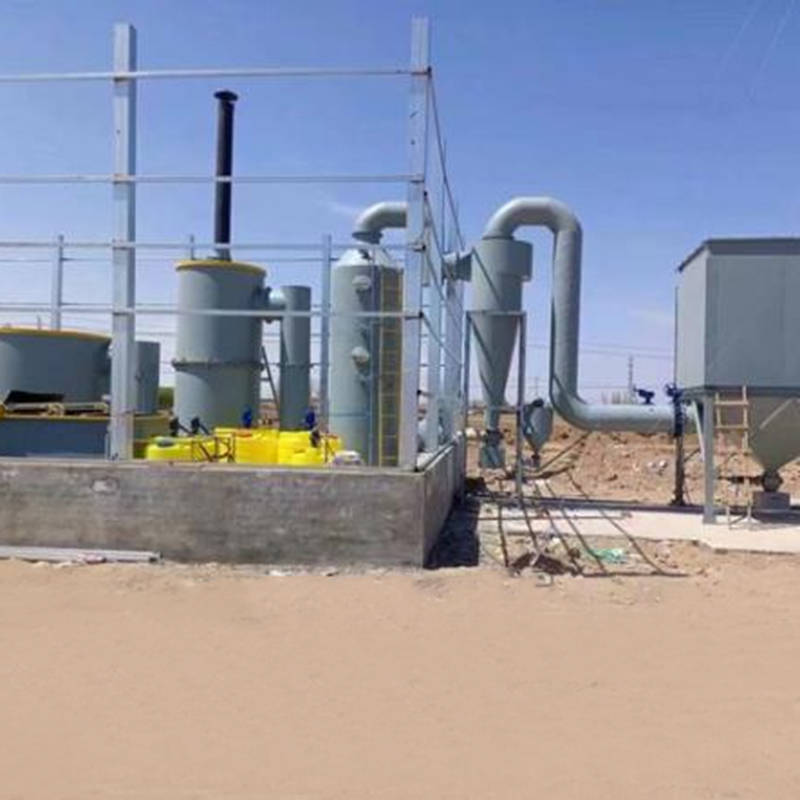
  • LQ-ACF المنشط ألياف الكربون معدات استرداد تكثيف المذيبات العضوية

    LQ-ACF المنشط ألياف الكربون معدات استرداد تكثيف المذيبات العضوية

    قطط:هندسة

    نظرة عامة على جهاز استعادة تنقية المذيبات العضوية الألياف المنشطة نظام استعادة تنقية المذيبات العضوي المنشط من ألياف الكربون (ACF) هو م...

    انظر التفاصيل
  • LQ-CFT-CO Honeycomb Advanced Carbon Adsptor + Advyice Oxative (CO)

    LQ-CFT-CO Honeycomb Advanced Carbon Adsptor + Advyice Oxative (CO)

    قطط:هندسة

    معدات تنقية الحفاز VOC-CFT-COF-CO تعتبر معدات تنقية ExhateCt Exvancytant ExhateCt Exhated ، التي تتألف من احتراق الكربون والاحتراق الحفاز ا...

    انظر التفاصيل
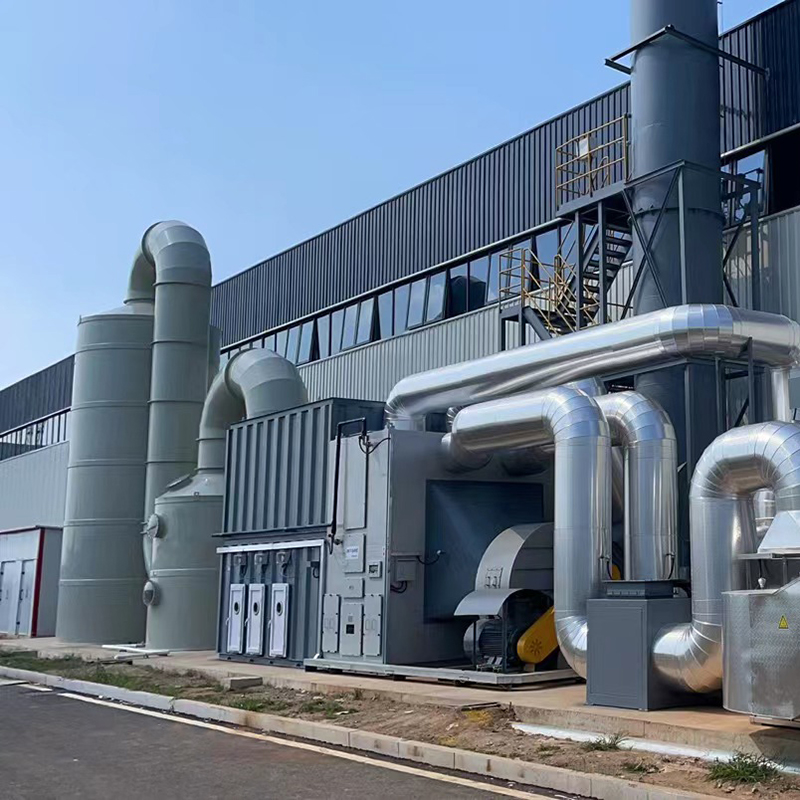
  • LQ-CF-CO السرير الثابت زيوليت امتصاص + الأكسدة الحفازة (CO)

    LQ-CF-CO السرير الثابت زيوليت امتصاص + الأكسدة الحفازة (CO)

    قطط:هندسة

    مفهوم الاحتراق الحفاز zeolite السرير الثابت كمجموعة من المعدات جهاز الاحتراق الحفاز السرير الثابت من السرير مناسب لعلاج تركيز وامتزاز الترك...

    انظر التفاصيل
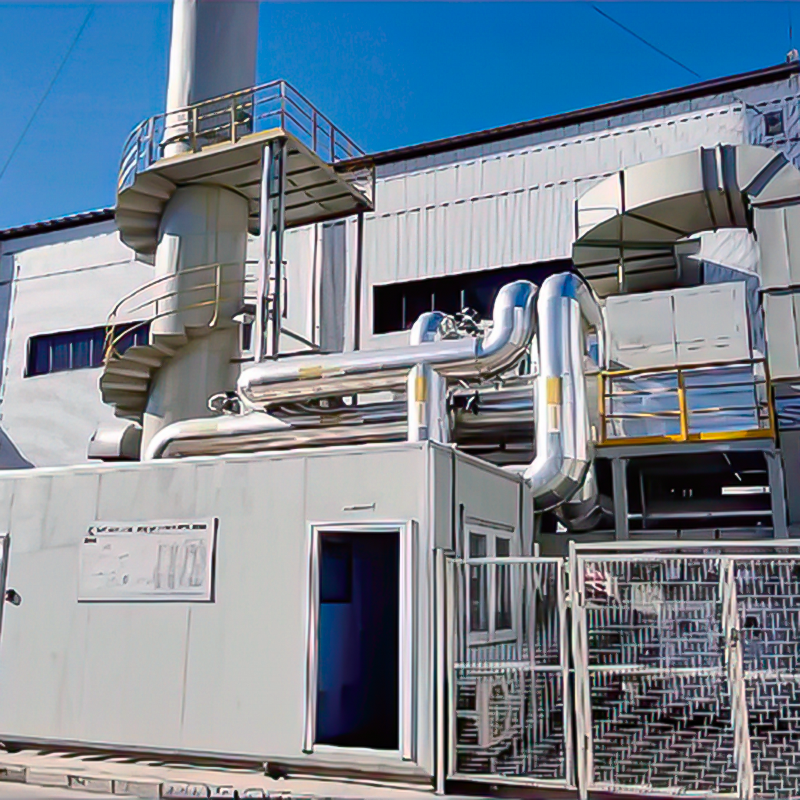
  • LQ-ADW-CO Zeolite Rotary Mustrator (نوع الأسطوانة/القرص) + الأكسدة الحفزية (CO)

    LQ-ADW-CO Zeolite Rotary Mustrator (نوع الأسطوانة/القرص) + الأكسدة الحفزية (CO)

    قطط:هندسة

    مفهوم الاحتراق الحفاز العجلة زيوليت كمجموعة من المعدات في العملية المشتركة لغازات النفايات العضوية ومعالجة غاز النفايات ، يكون جهاز الاحترا...

    انظر التفاصيل
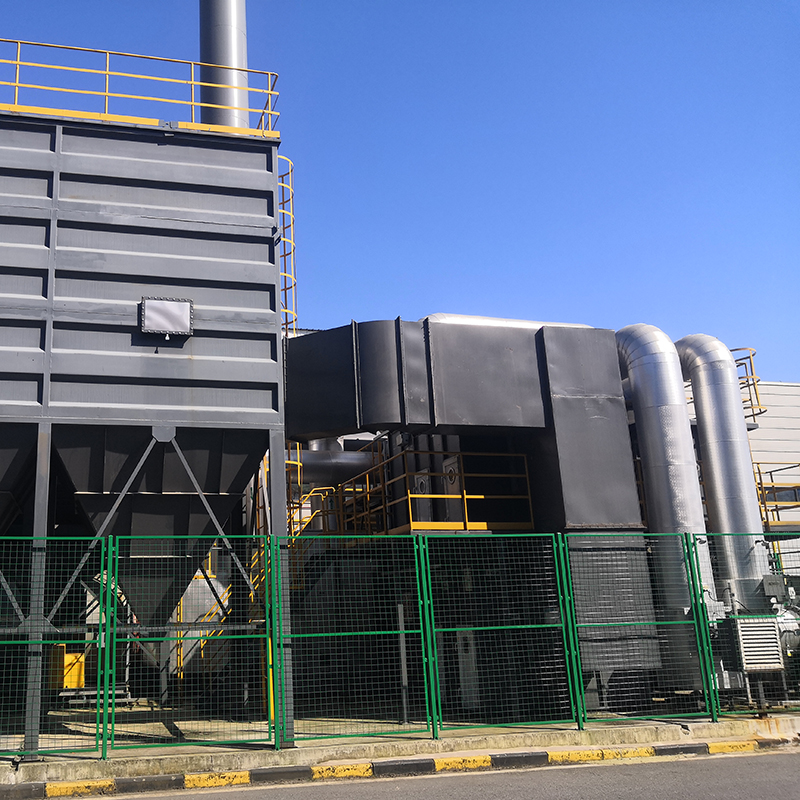
  • LQ-GXF صمام تخفيف الضغط عالي درجة الحرارة

    LQ-GXF صمام تخفيف الضغط عالي درجة الحرارة

    قطط:مُكَمِّلات

    غاية يستخدم بشكل رئيسي للتهوية النسبية لغاز المداخن عالية الحرارة. يستخدم LT على نطاق واسع في الأماكن التي لا تكون فيها متطلبات معدل التسرب...

    انظر التفاصيل
فئات
  • معدات
  • هندسة
  • مُكَمِّلات
اتصل بنا
روابط سريعة
  • الصفحة الرئيسية
  • منتج
    • معدات
    • هندسة
    • مُكَمِّلات
  • الحلول
    • صناعة البتروكيماويات
    • صناعة الأدوية والمواد الكيميائية
    • صناعة الطلاء
    • صناعة الآلات
    • صناعة الرسم
    • صناعة الإلكترونيات
  • القدرة
    • البحث والتطوير
    • خدمة
    • تصنيع
  • معلومات عنا
    • شهادة
    • مصنع
  • أخبار
    • أخبار الشركة
    • أخبار الصناعة
    • أخبار المعرض
  • اتصل بنا
أخبار
  • How Does a Rotary Heat-Storage RTO Improve VOC Removal Efficiency?
  • Lvquan Environmental Protection Engineering Technology Co., Ltd – Invitation to the Shanghai Green Manufacturing Expo
اتصل بنا

رقم 100، الشارع الرئيسي، المنطقة الاقتصادية الجنوبية الجديدة، مدينة قايو، مقاطعة جيانغسو، الصين

البريد الإلكتروني: [email protected]

الهاتف: +86-13382748801

التلفون:+86-0514-84753397

رمز الاستجابة السريعة

وصف المنتج

Lv Quan Environmental Protection Engineering Technology Co., Ltd.

حقوق الطبع والنشر © Lv Quan Environmental Protection Engineering Technology Co., Ltd. جميع الحقوق محفوظة.

Lv Quan Environmental Protection Engineering Technology Co., Ltd.