

 English
 русский
 Français
 Español
 عربى
عربى
LQ-RRTO معدات حرق درجات الحرارة العالية في تخزين الحرارة الدوارة
قطط:معدات
نظرة عامة على نوع RTO من نوع البرج تقدم شركتنا نوعين من RTO RTO ، والتي هي RTO RTO و RTO ذات البرميل الواحد. يتأكسد RTO الدوراني ، ا...
انظر التفاصيل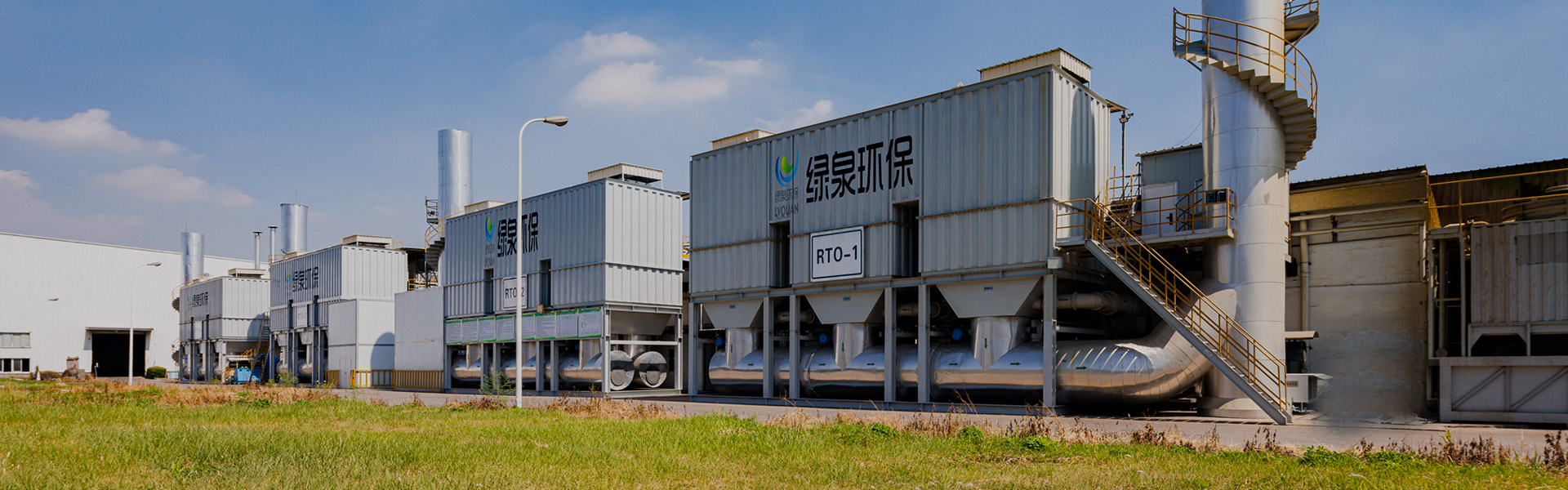
محتوى
ل مركبات عضوية متطايرة منخفضة التركيز (أقل من 1000 مجم/م3) يعتبر امتصاص الكربون المنشط هو الخيار الأكثر اقتصادا. ل التركيزات المتوسطة (1000-3000 مجم/م3) يوفر الاحتراق الحفاز (CO) الكفاءة المثلى. ل تيارات عالية التركيز تزيد عن 3000 ملجم/م3 أو مخاليط معقدة توفر المؤكسدات الحرارية المتجددة (RTO) كفاءة تدمير فائقة تتجاوز 99%.
معيار الاختيار الأساسي هو الحد الأدنى للانفجار (LEL). عندما يتجاوز تركيز المركبات العضوية المتطايرة 25% الحد الأدنى ، يصبح RTO إلزاميًا للامتثال للسلامة. وتحت هذه العتبة، تحدد التكاليف التشغيلية ومتطلبات كفاءة التدمير التكنولوجيا المثالية.
تعمل هذه التقنية من خلال الامتزاز الفيزيائي، والتقاط جزيئات المركبات العضوية المتطايرة على الأسطح الكربونية المسامية. يتفوق في التعامل تيارات متقطعة ومنخفضة التركيز (50-1000 مجم/م3) مع التكاليف الرأسمالية الأولية أقل بنسبة 40-60% من أنظمة الأكسدة الحرارية. ومع ذلك، فإنه يولد نفايات ثانوية - الكربون المستهلك الذي يتطلب التخلص منه أو تجديده - ولا يمكنه التعامل مع التيارات عالية الرطوبة أو المحملة بالجسيمات بشكل فعال.
تستخدم الأنظمة الحفزية محفزات معدنية ثمينة (عادة البلاتين أو البلاديوم) لأكسدة المركبات العضوية المتطايرة عند 300-500 درجة مئوية ، أقل بكثير من الأكسدة الحرارية. وهذا يقلل من استهلاك الوقود بنسبة 60-80% مقارنة بالاحتراق المباشر. مثالية للعمليات المستمرة مع تيارات متسقة متوسطة التركيز. يمثل تعطيل المحفز من مركبات السيليكون أو الكبريت أو الهالوجين المخاطر التشغيلية الأساسية.
تحقق RTOs كفاءة حرارية تصل إلى 95-97% من خلال المبادلات الحرارية الخزفية التي تستعيد حرارة الاحتراق. تتراوح درجات حرارة التشغيل من 760-1100 درجة مئوية مما يضمن الأكسدة الكاملة حتى مع مخاليط المركبات العضوية المتطايرة المعقدة. في حين أن استثمار رأس المال هو الأعلى ( 150.000 دولار – 500.000 دولار بالنسبة للوحدات القياسية)، تنخفض تكاليف التشغيل عند التركيزات الأعلى بسبب التشغيل الحراري الذاتي - حيث يحافظ احتراق المركبات العضوية المتطايرة على العملية بدون وقود إضافي.
| المعلمة | الكربون المنشط | الاحتراق الحفاز | RTO |
|---|---|---|---|
| التركيز الأمثل | < 1000 مجم/م3 | 1000-3000 مجم/م3 | > 3000 مجم/م3 |
| درجة حرارة التشغيل | المحيطة | 300-500 درجة مئوية | 760-1100 درجة مئوية |
| كفاءة التدمير | 90-95% | 95-99% | 99-99.9% |
| تكلفة رأس المال النسبية | منخفض (1.0x) | متوسط (2.5x) | عالية (3.5x) |
| النفايات الثانوية | الكربون المستهلك | لا شيء | لا شيء |
يؤثر التركيب الجزيئي للمركبات العضوية المتطايرة بشكل مباشر على جدوى العلاج. مركبات تحتوي على الكلور أو الكبريت أو السيليكون سوف تسمم المحفزات في أنظمة ثاني أكسيد الكربون داخلها 200-500 ساعة تشغيل . يستجيب البنزين والتولوين والزيلين (BTX) بشكل ممتاز للأكسدة الحرارية، بينما تتطلب المركبات المؤكسجة مثل الأسيتون فترات إقامة أطول. تتطلب الهيدروكربونات المهلجنة أجهزة غسل ما بعد المعالجة لإزالة الغازات الحمضية المتكونة أثناء الاحتراق.
يجب أن تستوعب سعة التصميم معدلات التدفق القصوى مع أ هامش أمان 15-20% . تتحمل أنظمة RTO تغيرات التدفق بنسبة ±20% دون خسارة كبيرة في الكفاءة، في حين تتطلب الأنظمة الحفزية تدفقًا مستقرًا لاستعادة الحرارة بشكل مثالي. تواجه أسرة الكربون المنشط مخاطر التوجيه عندما تنخفض معدلات التدفق إلى ما دون ذلك 60% من القدرة التصميمية .
يجب أن تحتوي على تدفقات مدخل جسيمات أقل من 5 ملجم/م3 و الرطوبة النسبية أقل من 50% لأنظمة امتصاص الكربون. يمكن لـ RTOs التعامل مع ما يصل إلى 30 ملجم/م3 جسيمات ولكنها تتطلب ترشيحًا مسبقًا للأحمال الأعلى. محتوى الرطوبة أعلاه 15% من حيث الحجم يقلل بشكل كبير من قدرة الامتزاز وقد يتطلب إزالة الرطوبة عند المنبع.
تحدد حدود الانبعاثات المحلية متطلبات كفاءة التدمير. في الولايات المتحدة، غالبًا ما تتطلب معايير تقنية التحكم القصوى القابلة للتحقيق (MACT) الخاصة بوكالة حماية البيئة (EPA). كفاءة التدمير 99% ، تكليف RTO أو أنظمة ثاني أكسيد الكربون عالية الأداء. تختلف عتبات التوجيه الأوروبي للانبعاثات الصناعية (IED) حسب المركب، حيث تبلغ حدود البنزين 5 ملجم/م3 و total VOC at 20 ملجم/م3 .
الانبعاثات الاختراقية تحدث عندما يصل الكربون إلى حد التشبع، وهو ما يمكن اكتشافه عندما تتجاوز التركيزات الخارجة 10% من مستويات الدخول . يحدث هذا عادة بعد 2000-8000 ساعة اعتمادا على تحميل المركبات العضوية المتطايرة. حرائق السرير تنتج عن الامتزاز الطارد للحرارة للكيتونات أو التبريد غير الكافي؛ درجات الحرارة أعلاه 150 درجة مئوية في طبقة الكربون تشير إلى خطر الاحتراق الوشيك.
يظهر تعطيل المحفز على شكل زيادة تركيزات المخرج أو ارتفاع درجات حرارة التشغيل المطلوبة . ارتفاع في درجة الحرارة بنسبة 50 درجة مئوية فوق خط الأساس يشير إلى فقدان نشاط المحفز بنسبة 30%. تتسبب الصدمة الحرارية الناتجة عن التقلبات السريعة في درجات الحرارة (> 100 درجة مئوية / ساعة) في انهيار هيكل دعم المحفز. فشل التسخين المسبق في الوصول 350 درجة مئوية كحد أدنى يؤدي إلى أكسدة غير كاملة وتراكم المركبات العضوية المتطايرة الخطرة.
توصيل الوسائط الخزفية يقلل من الكفاءة الحرارية أدناه 85% يمكن اكتشافه من خلال زيادة استهلاك الوقود. يجب ألا يتجاوز انخفاض الضغط عبر المبادل الحراري 15 بوصة من عمود الماء ; تشير القيم الأعلى إلى الانسداد. فشل ختم الصمام يسبب التلوث المتبادل بين المدخل والمخرج، مما يقلل من كفاءة التدمير الظاهرة مع الحفاظ على درجات حرارة غرفة الاحتراق.
| عطل | علامة تحذير | العتبة الحرجة | العمل الفوري |
|---|---|---|---|
| حريق سرير الكربون | ارتفاع درجة حرارة السرير | > 150 درجة مئوية | تطهير النيتروجين في حالات الطوارئ |
| التسمم بالمحفز | زيادة منفذ المركبات العضوية المتطايرة | > منفذ 50 جزء في المليون | استبدال سرير المحفز |
| توصيل وسائل الإعلام RTO | هبوط الضغط العالي | > 15 بوصة H₂O | تنظيف/استبدال الوسائط |
| الأكسدة غير كافية | درجة حرارة الغرفة منخفضة | <760 درجة مئوية (RTO) | زيادة مدخلات الوقود |
يجب على المشغلين التحقق فروق ضغط المدخل والمخرج وتسجيل درجات حرارة غرفة الاحتراق، وفحص المكونات المرئية بحثًا عن أي تسرب أو تآكل. بالنسبة لأنظمة الكربون، الرصد اليومي ل أنظمة كشف الاختراق إلزامي. يجب أن تنحرف جميع القراءات أقل من 5% من خط الأساس القيم المحددة أثناء التكليف.
إجراء عمليات تفتيش تفصيلية مشغلات الصمامات والأختام في أنظمة RTO - استبدل الأختام التي تظهر تجاوزًا للتآكل 2 ملم . بالنسبة للوحدات الحفزية، قم بفحص أجهزة التسخين المسبق بحثًا عن النقاط الساخنة التي تشير إلى فشل العنصر. تتطلب أنظمة الكربون أخذ عينات من السرير لتحديد قدرة الامتزاز المتبقية. أرقام اليود أدناه 600 ملغم/جم تشير إلى ضرورة الاستبدال.
تشمل الأنشطة الفصلية فحص وسائل الإعلام كاملة في وحدات RTO، واختبار نشاط المحفز في أنظمة ثاني أكسيد الكربون، واستبدال الكربون لأنظمة الامتزاز التي تعالج المركبات ذات الوزن الجزيئي العالي. تشمل الصيانة السنوية فحص الحراريات وضبط الموقد لتحقيق الأداء الأمثل 3% أكسجين زائد والتحقق الشامل من نظام التحكم. الميزانية تقريبا 8-12% من التكلفة الرأسمالية الأولية سنويا لمواد الصيانة والعمالة.
نعم. الأنظمة الهجينة المكثفة-RTO استخدم عجلات الزيوليت أو الكربون لتركيز تيارات المركبات العضوية المتطايرة المنخفضة (50-500 ملجم/م³) بواسطة نسب 10:1 إلى 20:1 قبل الأكسدة الحرارية. يقلل هذا التكوين من استهلاك وقود RTO بمقدار 70-90% مقارنة بالمعالجة المباشرة للتيارات المخففة. وبالمثل، فإن امتصاص الكربون مع تجديد البخار الذي يغذي الاحتراق الحفاز يعالج قمم التركيز العالي المتقطعة.
بتركيزات المركبات العضوية المتطايرة أعلاه 2500 مجم/م3 ، تحقق أنظمة RTO الاسترداد في الداخل 18-30 شهرا من خلال توفير الوقود على الرغم من ارتفاع التكاليف الرأسمالية. يوفر الاحتراق الحفاز استردادًا أسرع ( 12-18 شهرًا ) بتركيزات متوسطة حيث يتجاوز طول عمر المحفز 3 سنوات . أدناه 1500 مجم/م3 ، يظل الكربون المنشط هو الأكثر فعالية من حيث التكلفة على مدار عام دورة حياة 10 سنوات .
تثبيت الدبابات العازلة أو السفن الطفرة لتخفيف طفرات التركيز. بالنسبة لأنظمة RTO، قم بالتنفيذ تجاوز الغاز الساخن لتنفيس الحرارة الزائدة عندما تتجاوز التركيزات الظروف الحرارية الذاتية. تتطلب الأنظمة التحفيزية حقن الهواء المخفف للحفاظ على تركيزات المدخل أدناه 25% الحد الأدنى . تتحمل أنظمة الكربون المنشط الاختلاف بشكل أفضل ولكنها تتطلب أسرة كبيرة الحجم للتعامل مع التحميل الذروة دون اختراق.
تتطلب المركبات المهلجنة المؤكسدات الحرارية مع أبراج التبريد وأجهزة تنقية الغاز الحمضي . يمكن تكييف RTOs مع وسائط سيراميك مقاومة للتآكل و downstream caustic scrubbers to remove HCl or HF. Alternatively, المؤكسدات الحرارية المتعافية (غير متجدد) يوفر تكاملًا أبسط مع أنظمة الغسل الرطب للتطبيقات صغيرة الحجم.
تتطلب جميع أنظمة الأكسدة الحرارية شاشات LEL مع قطع الوقود التلقائي في 25% الحد الأدنى (أو 50% مع عناصر تحكم ذات تصنيف SIL ). يتم تشغيل عمليات إيقاف التشغيل عند درجة الحرارة العالية عند 1200 درجة مئوية لـ RTOs. تحتاج أنظمة الكربون كاشفات أول أكسيد الكربون في مساحات رأس السفينة و أنظمة تطهير النيتروجين لإخماد الحرائق. يجب أن تتعامل فتحات الإغاثة في حالات الطوارئ 150% من الحد الأقصى للتدفق المتوقع .
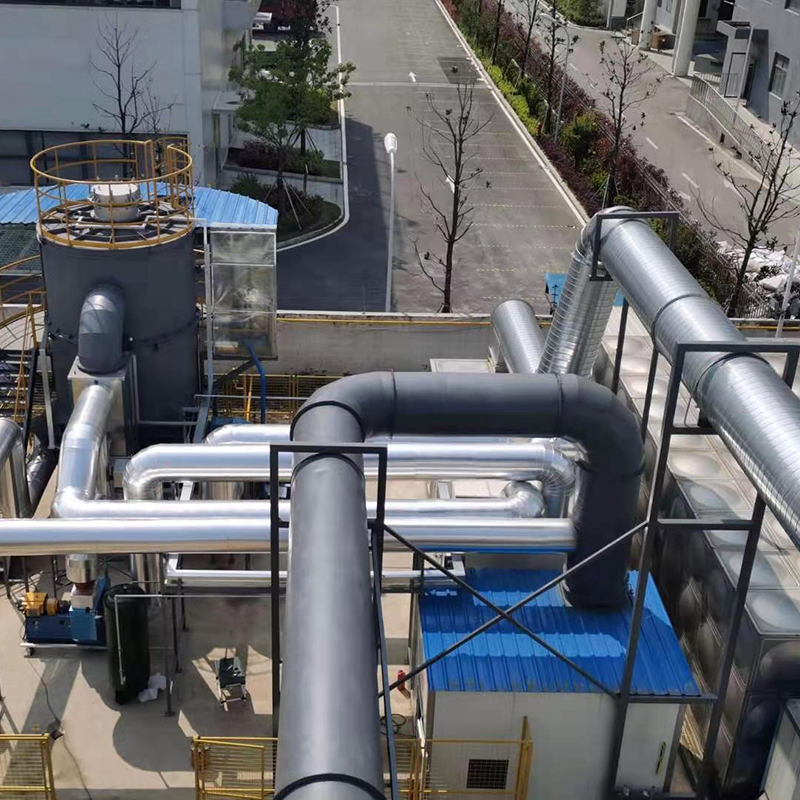
نظرة عامة على نوع RTO من نوع البرج تقدم شركتنا نوعين من RTO RTO ، والتي هي RTO RTO و RTO ذات البرميل الواحد. يتأكسد RTO الدوراني ، ا...
انظر التفاصيل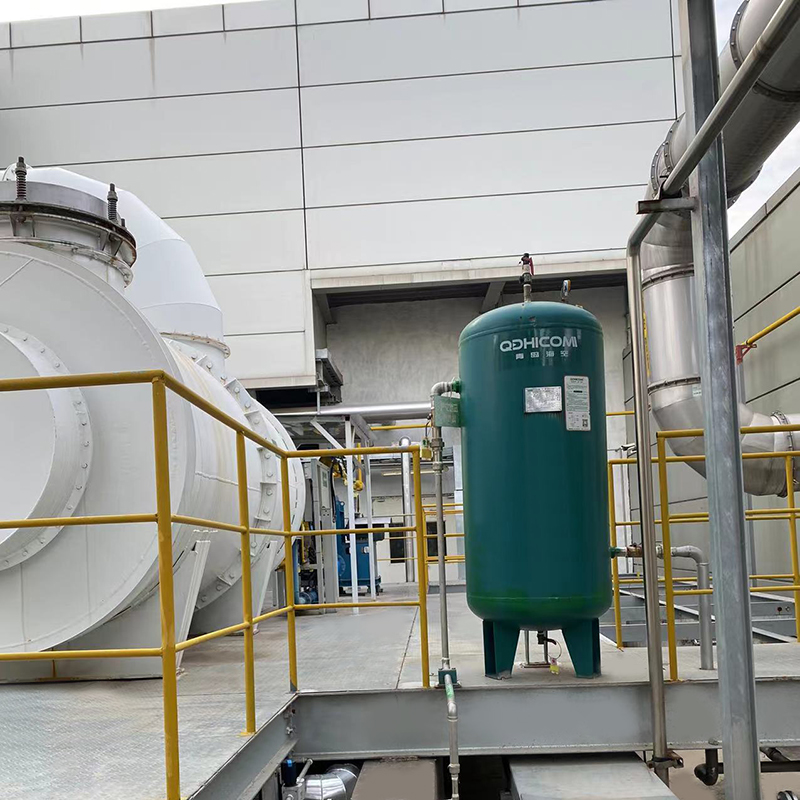
ملخص تستخدم معدات احتراق الاحتراق المباشر ارتفاع درجات الحرارة ، المختصرة ، بالنسبة إلى ، الحرارة الناتجة عن احتراق الوقود الإضافي لزيادة د...
انظر التفاصيل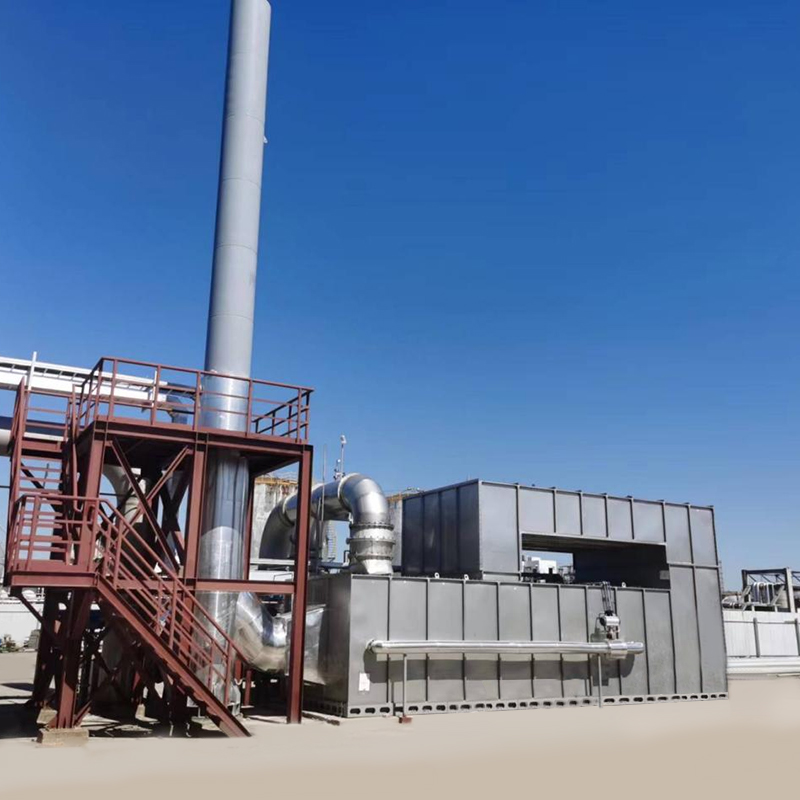
ملخص الاحتراق الحفاز هو طريقة تنقية تستخدم المحفزات لأكسدة المواد القابلة للاحتراق وتحللها في غاز العادم في درجات حرارة منخفضة. لذلك ، يُعر...
انظر التفاصيل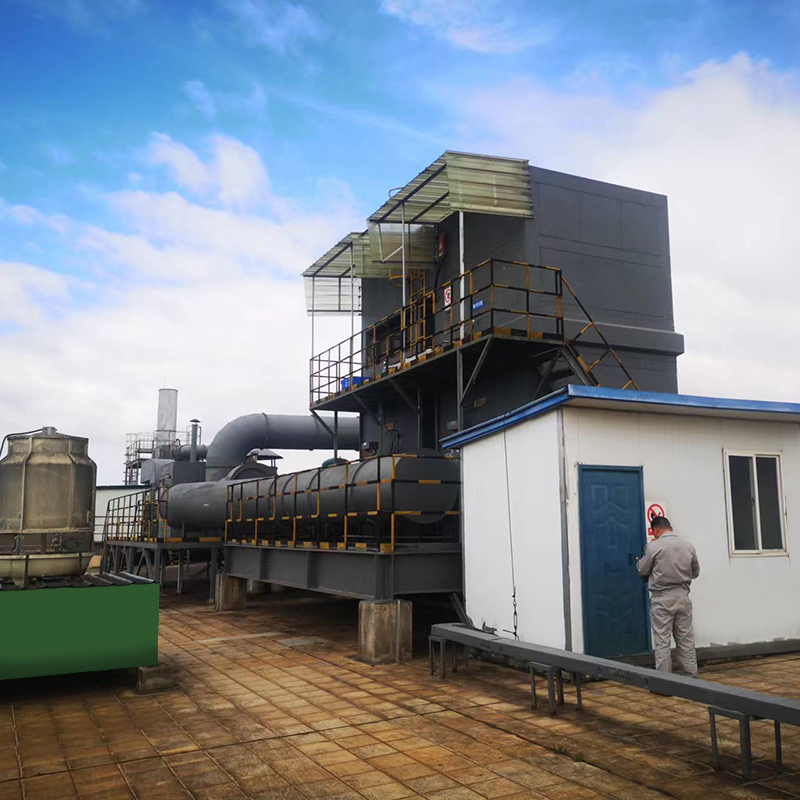
ملخص التخزين الحراري الأكسدة الحفازة (مؤكسد الحفاز التجديدي/RCO) هو معدات معالجة غاز النفايات العضوية التي تجمع بين الأكسدة الحفزية منخفضة ...
انظر التفاصيل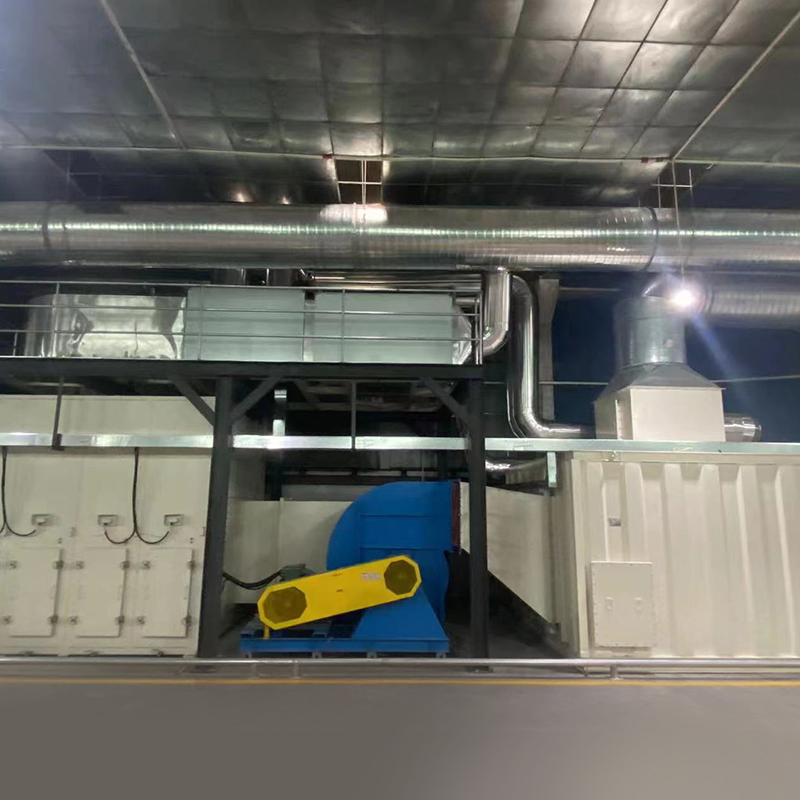
نظرة عامة على المتغيرات المتغيرة زيوليت القرص الدوار يستخدم تركيز زيوليت لشركتنا مجموعة من وحدات الزيوليت ، مع محتوى عالي الزيوليت ومعدل ام...
انظر التفاصيل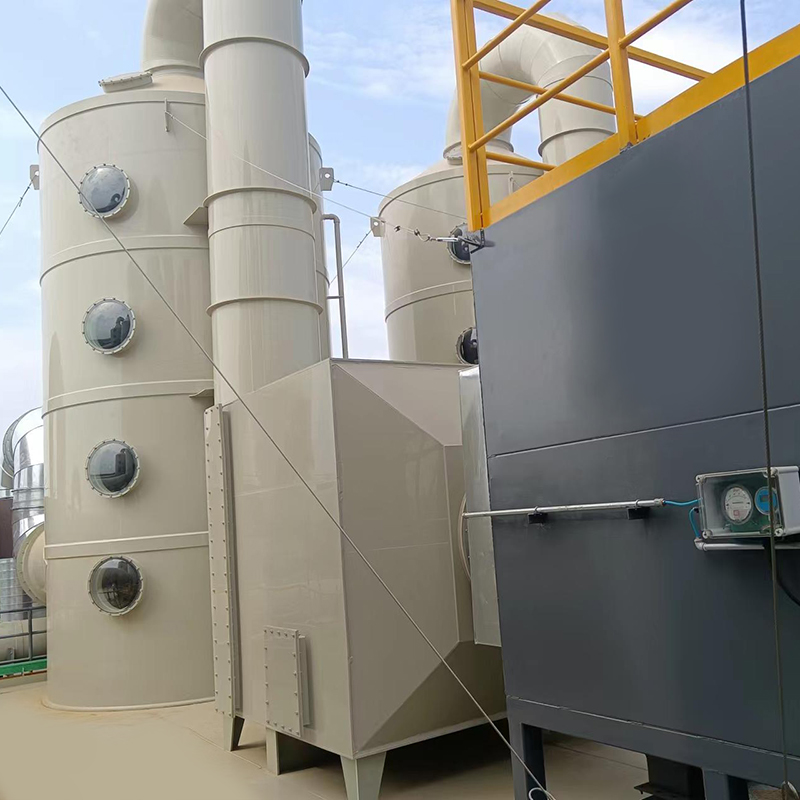
ملخص يتم استخدام معدات تنقية واستعادة الجسيمات العضوية لجسيمات الغاز العضوية من أجل امتصاص غازات النفايات العضوية واستردادها وإعادة استخدام...
انظر التفاصيل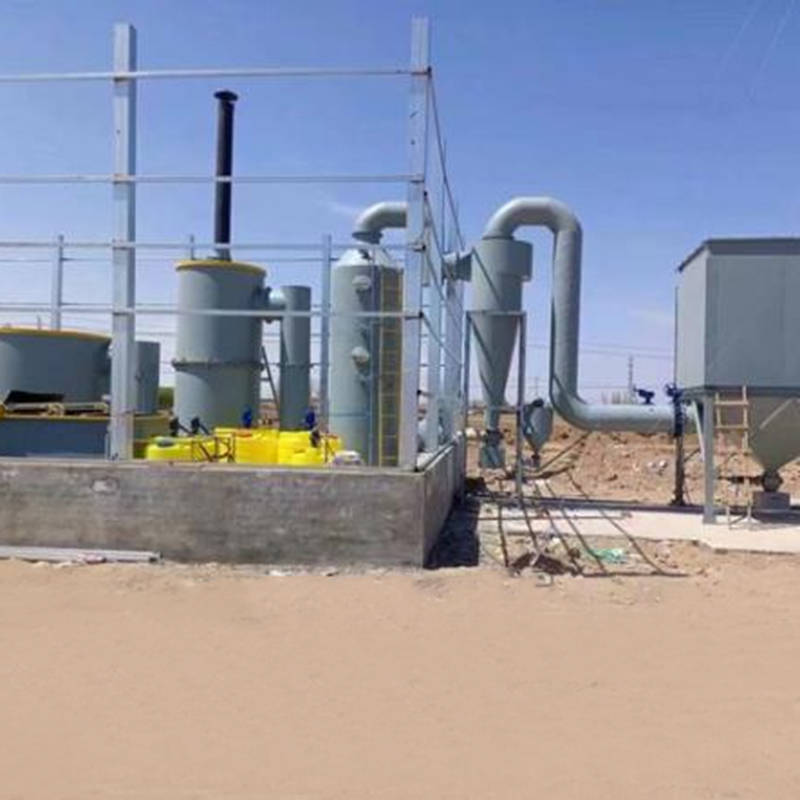
ملخص أفران حرق النفايات الصلبة هي معدات أساسية في إدارة النفايات الصلبة ، المصممة لتحويل مواد النفايات إلى الرماد والغازات من خلال احتر...
انظر التفاصيل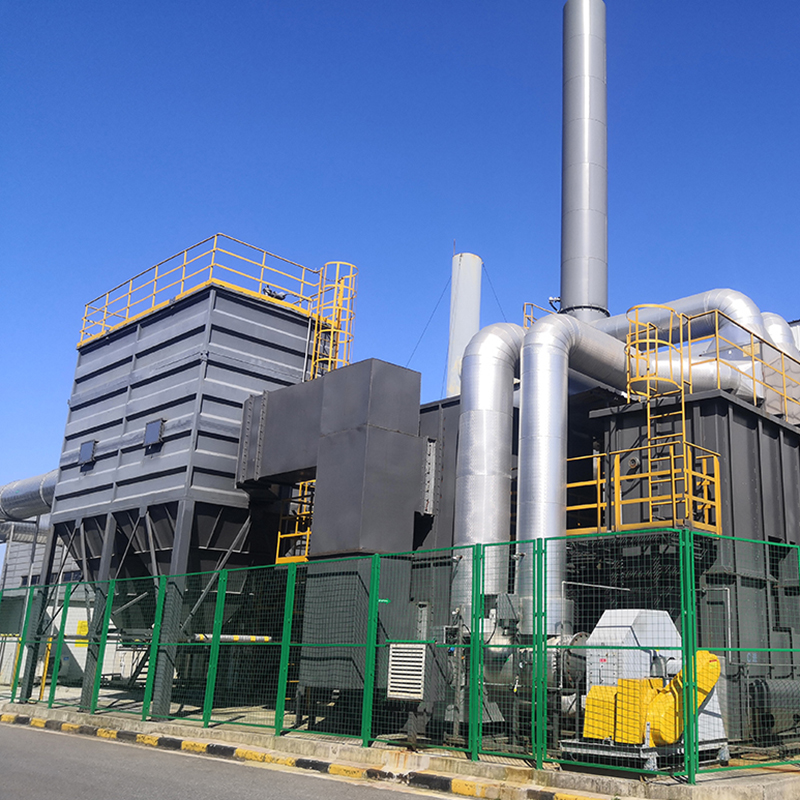
مفهوم نظام Zeolite Wheel RTO باستخدام عجلة الزيوليت لتصبح غاز النفايات العضوية ، يتركز تركيز انخفاض تركيز النفايات في حجم الهواء في تركيز م...
انظر التفاصيل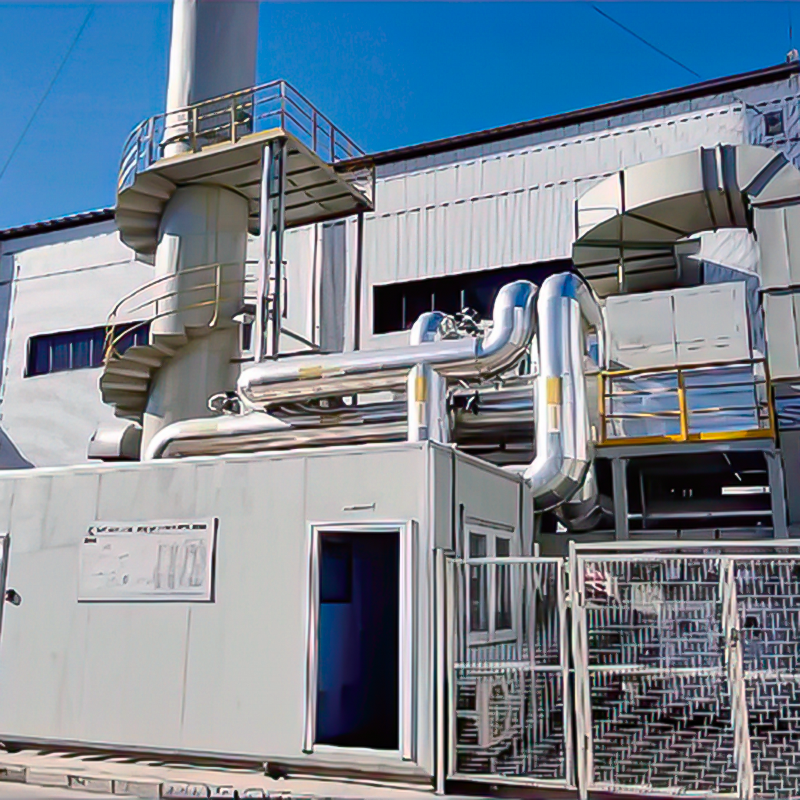
مفهوم الاحتراق الحفاز العجلة زيوليت كمجموعة من المعدات في العملية المشتركة لغازات النفايات العضوية ومعالجة غاز النفايات ، يكون جهاز الاحترا...
انظر التفاصيل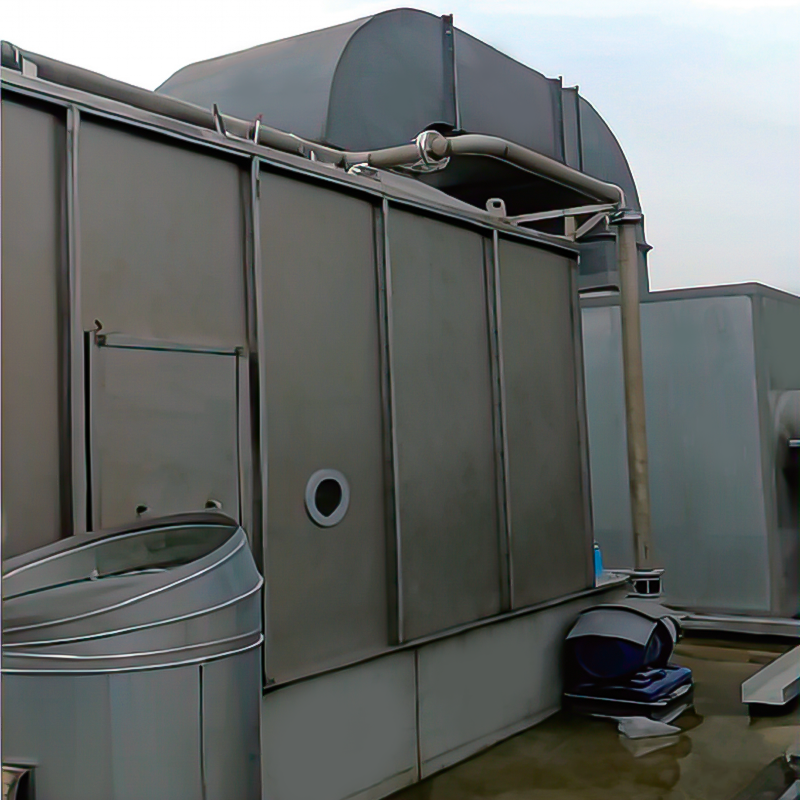
ملخص يستخدم مبدأ إزالة الغبار الرطب عملية التقاط وفصل جزيئات الغبار في مرحلة الغاز عن طريق الاتصال بالكامل بمرحلتين سائل الغاز. حاليا ، الأ...
انظر التفاصيلرمز الاستجابة السريعة
وصف المنتج

حقوق الطبع والنشر © Lv Quan Environmental Protection Engineering Technology Co., Ltd. جميع الحقوق محفوظة.
