Lv Quan Environmental Protection Engineering Technology Co., Ltd.
  • الصفحة الرئيسية
  • منتج
    • معدات
    • هندسة
    • مُكَمِّلات
  • الحلول
    • صناعة البتروكيماويات
    • صناعة الأدوية والمواد الكيميائية
    • صناعة الطلاء
    • صناعة الآلات
    • صناعة الرسم
    • صناعة الإلكترونيات
  • القدرة
    • البحث والتطوير
    • خدمة
    • تصنيع
  • معلومات عنا
    • شهادة
    • مصنع
  • أخبار
    • أخبار الشركة
    • أخبار الصناعة
    • أخبار المعرض
  • اتصل بنا
Lv Quan Environmental Protection Engineering Technology Co., Ltd.
  • Lv Quan Environmental Protection Engineering Technology Co., Ltd. English
  • Lv Quan Environmental Protection Engineering Technology Co., Ltd. русский
  • Lv Quan Environmental Protection Engineering Technology Co., Ltd. Français
  • Lv Quan Environmental Protection Engineering Technology Co., Ltd. Español
  • Lv Quan Environmental Protection Engineering Technology Co., Ltd. عربى
Lv Quan Environmental Protection Engineering Technology Co., Ltd.

قائمة الويب

  • الصفحة الرئيسية
  • منتج
    • معدات
    • هندسة
    • مُكَمِّلات
  • الحلول
    • صناعة البتروكيماويات
    • صناعة الأدوية والمواد الكيميائية
    • صناعة الطلاء
    • صناعة الآلات
    • صناعة الرسم
    • صناعة الإلكترونيات
  • القدرة
    • البحث والتطوير
    • خدمة
    • تصنيع
  • معلومات عنا
    • شهادة
    • مصنع
  • أخبار
    • أخبار الشركة
    • أخبار الصناعة
    • أخبار المعرض
  • اتصل بنا

البحث عن المنتج

لغة

  • Lv Quan Environmental Protection Engineering Technology Co., Ltd. English
  • Lv Quan Environmental Protection Engineering Technology Co., Ltd. русский
  • Lv Quan Environmental Protection Engineering Technology Co., Ltd. Français
  • Lv Quan Environmental Protection Engineering Technology Co., Ltd. Español
  • Lv Quan Environmental Protection Engineering Technology Co., Ltd. عربى

يشارك

الخروج

  • أخبار الصناعة
    الصفحة الرئيسية / أخبار / أخبار الصناعة / What is the VOC Concentrator?

What is the VOC Concentrator?

محتوى

  • 1 The Role of a VOC Concentrator in Emission Control
    • 1.1 1. Enabling Cost-Effective Destruction
    • 1.2 2. Regulatory Compliance
    • 1.3 3. Protecting Downstream Equipment
  • 2 Types of VOC Concentrators
    • 2.1 Zeolite Rotor Concentrators
    • 2.2 Activated Carbon Fiber (ACF) Concentrators
    • 2.3 Fixed-Bed Adsorption Concentrators
  • 3 How to Choose a VOC Concentrator
    • 3.1 Step 1 — Characterize Your Exhaust Stream
    • 3.2 Step 2 — Define Your Regulatory Target
    • 3.3 Step 3 — Evaluate Adsorbent Compatibility
    • 3.4 Step 4 — Total Cost of Ownership (TCO) Analysis
    • 3.5 Step 5 — Verify Vendor Track Record
  • 4 The Best VOC Concentrators: What Sets Top Systems Apart
  • 5 How to Use a VOC Concentrator: Operation and Maintenance Essentials
    • 5.1 Startup and Steady-State Operation
    • 5.2 Preventive Maintenance Schedule
    • 5.3 Common Operational Pitfalls
  • 6 FAQ about VOC Concentrators
    • 6.1 What inlet VOC concentration is required for a concentrator to be effective?
    • 6.2 Can a VOC concentrator handle mixed solvent streams?
    • 6.3 How much does a VOC concentrator system cost?
    • 6.4 Is a VOC concentrator the same as a VOC scrubber?
    • 6.5 Does a VOC concentrator destroy the VOCs?
    • 6.6 How long does a zeolite rotor last?

A VOC concentrator is an industrial air pollution control device that captures dilute volatile organic compound (VOC) emissions from process exhaust streams and concentrates them into a smaller, higher-concentration airflow before sending them to a downstream destruction unit such as a regenerative thermal oxidizer (RTO) or catalytic oxidizer. The core benefit: it can reduce the volume of air requiring treatment by up to 95%, dramatically cutting energy and operating costs.

In practical terms, if a facility exhausts 100,000 m³/h of air containing 300 mg/m³ of VOCs, a concentrator can compress that pollutant load into just 5,000–10,000 m³/h at 3,000–6,000 mg/m³ — a concentration ratio of 10:1 to 20:1. This concentrated stream is far more economical to incinerate or oxidize than the original dilute exhaust.

The Role of a VOC Concentrator in Emission Control

VOC concentrators serve as a critical bridge between raw industrial exhaust and final destruction technologies. Their role extends across three key functions:

1. Enabling Cost-Effective Destruction

Thermal oxidizers are expensive to run at low VOC concentrations because supplemental fuel is required. By concentrating VOCs to levels near or above the self-sustaining combustion threshold (typically 25% of the Lower Explosive Limit), concentrators allow oxidizers to operate with little or no auxiliary fuel. This alone can reduce operating energy costs by 60–80% compared to treating the raw dilute stream directly.

2. Regulatory Compliance

Environmental regulations such as the U.S. EPA's National Emission Standards for Hazardous Air Pollutants (NESHAPs), China's GB 37822-2019, and the EU's Industrial Emissions Directive set strict VOC emission limits. A concentrator system paired with an oxidizer routinely achieves destruction and removal efficiencies (DRE) above 99%, making compliance achievable even for large-volume, low-concentration exhaust streams.

3. Protecting Downstream Equipment

Concentrators also act as pre-treatment buffers. By adsorbing and smoothing out peak VOC surges before they reach the oxidizer, they protect downstream equipment from damaging concentration spikes and improve overall system stability.

Types of VOC Concentrators

The three dominant technologies differ in rotor medium, airflow design, and target application. Understanding each type is essential before evaluating any system.

Zeolite Rotor Concentrators

The most widely deployed technology. A honeycomb rotor impregnated with hydrophobic zeolite rotates continuously through adsorption, desorption, and cooling zones. Process air flows through the adsorption zone, VOCs are captured, and a small hot air stream desorbs them in the desorption zone, producing the concentrated output.

  • Concentration ratio: typically 10:1 to 20:1
  • Suitable for airflows from 10,000 to 500,000+ m³/h
  • Works well with most non-polar VOCs (aromatics, ketones, esters, alcohols)
  • Less effective for high-humidity streams (>90% RH) without pre-drying

Activated Carbon Fiber (ACF) Concentrators

Uses activated carbon fiber beds in a rotating or fixed-bed configuration. ACF has a higher adsorption capacity for low-concentration VOCs compared to granular activated carbon and can handle a broader spectrum of compounds including some polar VOCs.

  • Concentration ratio: up to 15:1
  • Higher initial cost than zeolite but better for polar solvents like methanol and acetone
  • Requires careful fire prevention design due to carbon's combustibility

Fixed-Bed Adsorption Concentrators

Uses two or more fixed beds of adsorbent (zeolite or activated carbon) that alternate between adsorption and regeneration cycles. These systems are simpler mechanically but require more footprint and careful cycle timing to maintain continuous output.

  • Best for smaller airflows or applications requiring solvent recovery rather than destruction
  • Steam regeneration variants allow recovery of valuable solvents
  • Lower concentration ratio (<10:1) compared to rotor-based systems
Type Concentration Ratio Best For Key Limitation
Zeolite Rotor 10:1 – 20:1 Large volume, non-polar VOCs High humidity reduces efficiency
ACF Rotor Up to 15:1 Polar solvents, mixed VOC streams Fire risk, higher cost
Fixed-Bed Up to 10:1 Solvent recovery, smaller flows Large footprint, batch cycling
Comparison of the three main VOC concentrator technologies by key performance parameters

How to Choose a VOC Concentrator

Selecting the right VOC concentrator requires matching system capabilities to your specific exhaust characteristics and operational goals. The following parameters are non-negotiable inputs for any proper evaluation:

Step 1 — Characterize Your Exhaust Stream

Before contacting any vendor, gather:

  • Total airflow volume (m³/h or CFM) including peak and average values
  • VOC species and concentrations (mg/m³ or ppm) — speciated if possible
  • Relative humidity — streams above 80% RH often need pre-drying
  • Temperature of the inlet air — affects adsorption equilibrium
  • Presence of particulates, silicones, or high-boiling compounds — these can blind adsorbent surfaces and require pre-filtration

Step 2 — Define Your Regulatory Target

Know the emission limit you must meet — expressed as outlet concentration (mg/m³), mass emission rate (kg/h), or overall removal efficiency (%). This determines the minimum DRE required and helps size the concentrator-oxidizer combination appropriately. Most jurisdictions now require ≥95% overall VOC removal; many require ≥99%.

Step 3 — Evaluate Adsorbent Compatibility

Not all VOCs adsorb equally on zeolite. Compounds with very low boiling points (e.g., methane, ethane) do not adsorb efficiently on zeolite rotors. Highly polar solvents like methanol may require ACF media. Always request adsorption isotherm data or pilot test results from the vendor for your specific VOC mix.

Step 4 — Total Cost of Ownership (TCO) Analysis

Capital cost is only part of the picture. Evaluate:

  • Energy consumption of the concentrator fan and desorption heater
  • Rotor or adsorbent replacement interval and cost (zeolite rotors typically last 5–10 years)
  • Reduction in downstream oxidizer fuel consumption — this is frequently the largest annual saving
  • Maintenance labor and spare parts availability

Step 5 — Verify Vendor Track Record

Request reference installations in your industry with similar exhaust profiles. Ask for third-party stack test data demonstrating actual DRE performance, not just design specifications. Leading suppliers such as Dürr, Anguil, Munters, and Seibu Giken publish documented case studies for this purpose.

The Best VOC Concentrators: What Sets Top Systems Apart

There is no single "best" VOC concentrator — the optimal system depends on application. However, the highest-performing systems share several measurable characteristics:

  • High concentration ratio (>15:1) — reduces downstream oxidizer size and fuel demand significantly
  • Adsorption efficiency >95% — ensures the inlet concentration is captured effectively before the concentrated stream reaches the oxidizer
  • Low pressure drop across the rotor — typically <500 Pa, minimizing fan energy consumption
  • Integrated controls and monitoring — real-time VOC inlet/outlet sensors, automated desorption temperature control, and remote diagnostics
  • Modular rotor design — allows replacement of rotor segments without full system shutdown

For large-scale automotive coating lines or electronics manufacturing exhausts (typically 50,000–300,000 m³/h), zeolite rotor systems from manufacturers like Dürr or Munters are widely benchmarked. For pharmaceutical or specialty chemical applications with complex solvent mixtures, ACF-based systems often deliver superior removal across a wider boiling-point range.

How to Use a VOC Concentrator: Operation and Maintenance Essentials

Even the best-designed VOC concentrator will underperform without correct operation. The following practices are standard across high-performing installations:

Startup and Steady-State Operation

  1. Verify pre-filter integrity before startup — particulate loading on the rotor surface is the leading cause of premature rotor degradation.
  2. Confirm desorption air temperature setpoint matches the design specification for your VOC mixture (typically 180–220°C for zeolite systems).
  3. Monitor inlet and outlet VOC concentrations continuously. An outlet VOC breakthrough above design limits typically signals rotor saturation, damage, or a process upset — not normal operation.
  4. Maintain rotor rotation speed within the design range; deviations affect the adsorption/desorption balance and overall efficiency.

Preventive Maintenance Schedule

  • Monthly: Inspect and replace inlet pre-filters; check rotor seal condition; verify rotation speed and motor current draw
  • Quarterly: Clean desorption heater elements; calibrate VOC sensors; inspect ductwork for leaks
  • Annually: Full rotor inspection — check for physical damage, channeling, or loss of adsorption capacity via spot sampling
  • Every 5–8 years: Rotor replacement assessment based on capacity testing results

Common Operational Pitfalls

  • High-boiling VOCs (boiling point >150°C) — these may not fully desorb at standard temperatures, gradually reducing rotor capacity over time. Periodic high-temperature regeneration cycles can help.
  • Silicone contamination — even trace amounts of siloxanes can permanently poison zeolite adsorption sites. Identify and eliminate silicone sources upstream.
  • Excessive humidity spikes — transient humidity surges can temporarily suppress adsorption efficiency by 20–40%. Process-side humidity controls are a valuable investment.

FAQ about VOC Concentrators

What inlet VOC concentration is required for a concentrator to be effective?

VOC concentrators are designed for dilute streams, typically 100–2,000 mg/m³. For concentrations above 3,000–5,000 mg/m³, direct oxidation without concentration is usually more economical. Below 50 mg/m³, adsorption efficiency may be marginal and alternative technologies should be evaluated.

Can a VOC concentrator handle mixed solvent streams?

Yes, provided the adsorbent medium is compatible with all compounds present. Zeolite rotors handle most aromatic, aliphatic, and ketone solvents well. For streams containing significant proportions of polar solvents (methanol, ethanol, MEK), ACF media or a mixed-media rotor may be required. Always provide a full solvent list to your system designer.

How much does a VOC concentrator system cost?

Capital costs vary widely with airflow volume and configuration. As a rough benchmark: a zeolite rotor concentrator for a 50,000 m³/h application typically ranges from $300,000 to $700,000 USD installed, excluding the downstream oxidizer. Systems for 200,000+ m³/h can exceed $1.5 million. However, fuel savings from reduced oxidizer operation commonly deliver payback periods of 2–5 years relative to treating the raw stream directly.

Is a VOC concentrator the same as a VOC scrubber?

No. A scrubber uses a liquid to absorb or neutralize pollutants and is typically used for inorganic gases (HCl, SO₂, NH₃) or water-soluble VOCs. A concentrator uses a solid adsorbent to capture and concentrate VOCs for subsequent thermal destruction. They address different pollutants and operate on entirely different principles.

Does a VOC concentrator destroy the VOCs?

No. A concentrator captures and concentrates VOCs — it does not destroy them. Destruction is performed by a downstream unit such as an RTO, catalytic oxidizer, or thermal oxidizer. The concentrator and oxidizer always function as a paired system. The concentrator's value is in reducing the size and operating cost of that downstream destruction step.

How long does a zeolite rotor last?

Under normal operating conditions with proper pre-filtration and no chemical contamination, zeolite rotors typically last 8–12 years. Exposure to silicones, heavy particulates, or high-boiling polymeric compounds can significantly shorten service life. Regular adsorption capacity testing — at least annually — is the best way to track rotor health and plan replacement proactively.

السابق: How to Choose Organic Waste Gas Treatment Equipment?
التالي: ما هي قضايا السلامة في هندسة معالجة غاز النفايات العضوية؟

المنتجات ذات الصلة

  • LQ-RCO معدات الحرق الحفاز LQ-RCO

    LQ-RCO معدات الحرق الحفاز LQ-RCO

    قطط:معدات

    ملخص التخزين الحراري الأكسدة الحفازة (مؤكسد الحفاز التجديدي/RCO) هو معدات معالجة غاز النفايات العضوية التي تجمع بين الأكسدة الحفزية منخفضة ...

    انظر التفاصيل
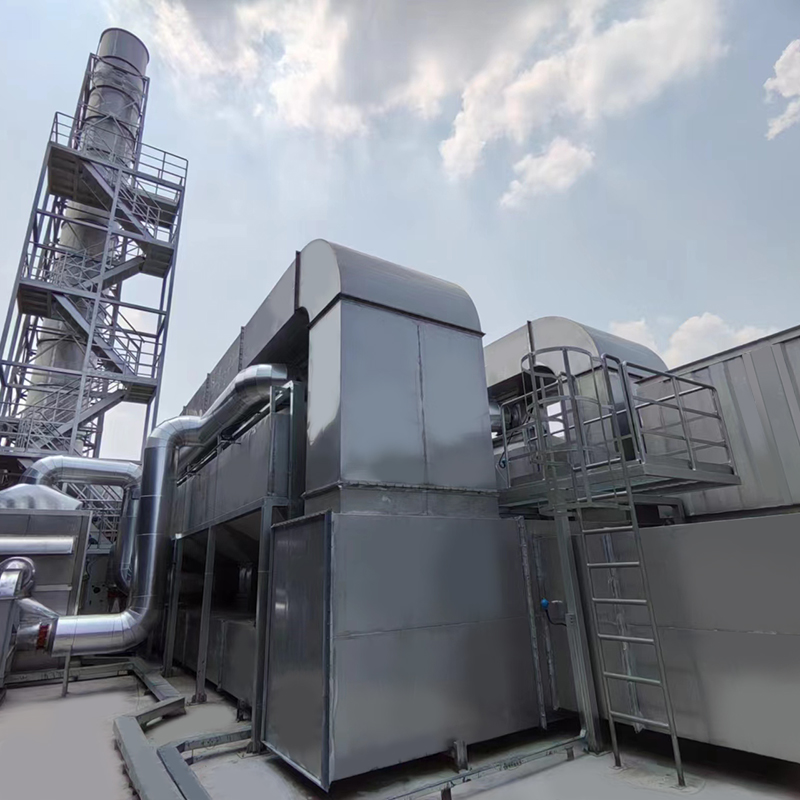
  • LQ-ADW Zeolite Detating Drum (نوع الأسطوانة)

    LQ-ADW Zeolite Detating Drum (نوع الأسطوانة)

    قطط:معدات

    نظرة عامة على المتغيرات المتغيرة زيوليت القرص الدوار يستخدم تركيز زيوليت لشركتنا مجموعة من وحدات الزيوليت ، مع محتوى عالي الزيوليت ومعدل ام...

    انظر التفاصيل
  • LQ-ACF المنشط ألياف الكربون معدات استرداد تكثيف المذيبات العضوية

    LQ-ACF المنشط ألياف الكربون معدات استرداد تكثيف المذيبات العضوية

    قطط:هندسة

    نظرة عامة على جهاز استعادة تنقية المذيبات العضوية الألياف المنشطة نظام استعادة تنقية المذيبات العضوي المنشط من ألياف الكربون (ACF) هو م...

    انظر التفاصيل
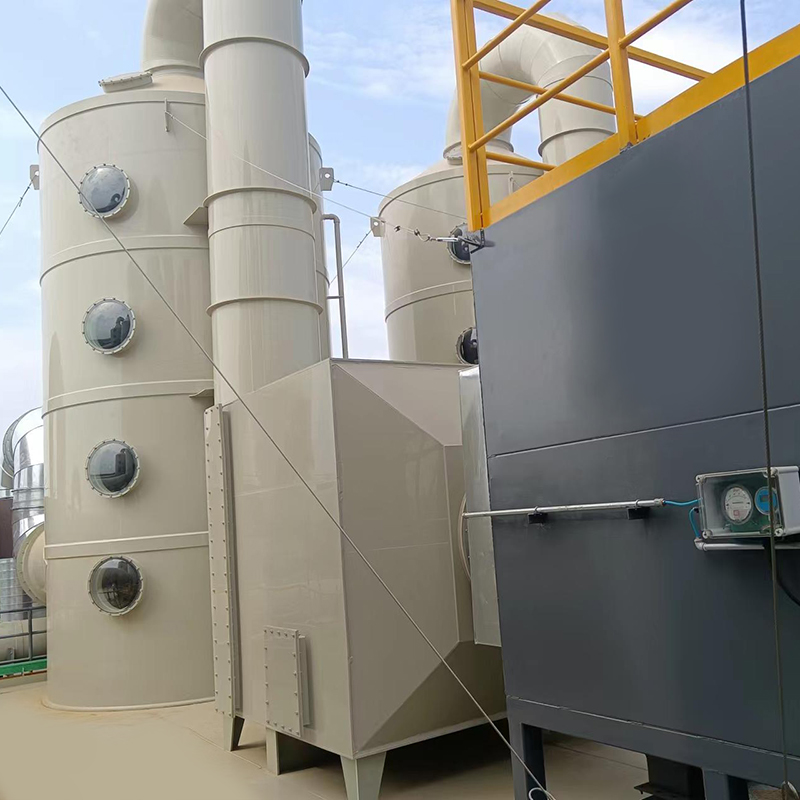
  • مبادل حراري للغاز LQ-TT-CO

    مبادل حراري للغاز LQ-TT-CO

    قطط:معدات

    مقدمة المنتج يستخدم المبادل الحراري للغاز بشكل أساسي لصناعات توفير الطاقة وخفض الانبعاثات في استعادة حرارة النفايات لغاز المداخن في مختلف ا...

    انظر التفاصيل
  • أفران حرق النفايات الصلبة LQ-SWI

    أفران حرق النفايات الصلبة LQ-SWI

    قطط:معدات

    ملخص أفران حرق النفايات الصلبة هي معدات أساسية في إدارة النفايات الصلبة ، المصممة لتحويل مواد النفايات إلى الرماد والغازات من خلال احتر...

    انظر التفاصيل
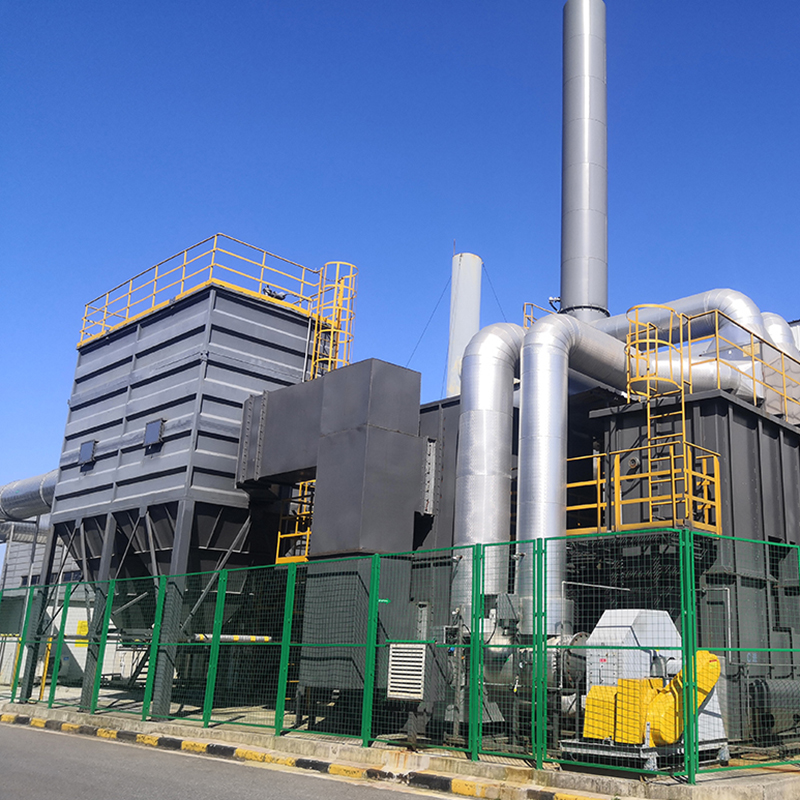
  • LQ-ADW-RTO Zeolite Rotor + RTO

    LQ-ADW-RTO Zeolite Rotor + RTO

    قطط:هندسة

    مفهوم نظام Zeolite Wheel RTO باستخدام عجلة الزيوليت لتصبح غاز النفايات العضوية ، يتركز تركيز انخفاض تركيز النفايات في حجم الهواء في تركيز م...

    انظر التفاصيل
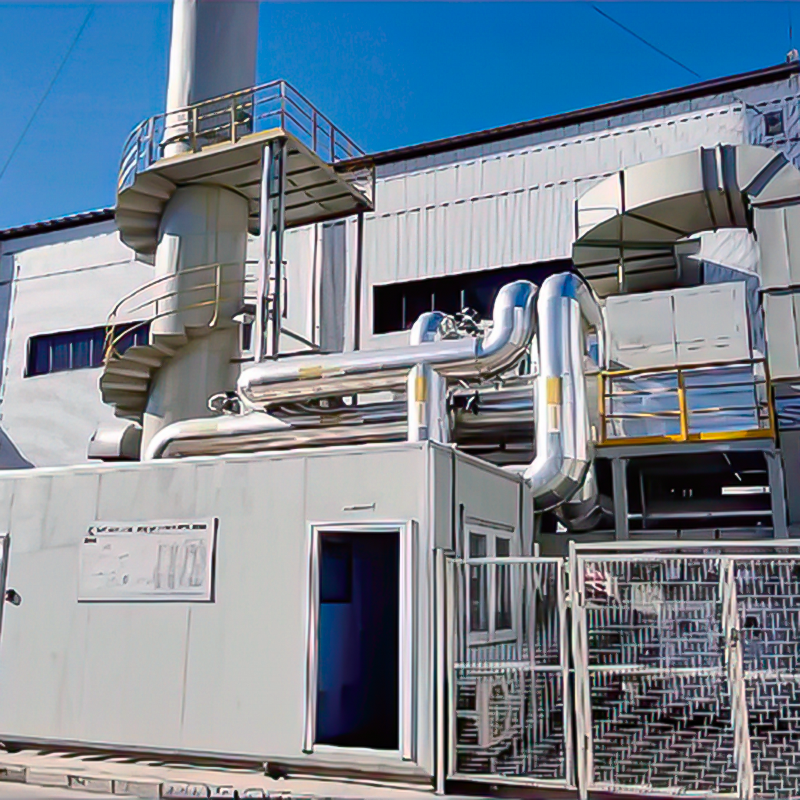
  • LQ-CFT-CO Honeycomb Advanced Carbon Adsptor + Advyice Oxative (CO)

    LQ-CFT-CO Honeycomb Advanced Carbon Adsptor + Advyice Oxative (CO)

    قطط:هندسة

    معدات تنقية الحفاز VOC-CFT-COF-CO تعتبر معدات تنقية ExhateCt Exvancytant ExhateCt Exhated ، التي تتألف من احتراق الكربون والاحتراق الحفاز ا...

    انظر التفاصيل
  • LQ-ADW-TO ZEOLITE ROTARY MUNTARATOR (نوع القرص الأسطواني) + مؤكسد حراري (إلى)

    LQ-ADW-TO ZEOLITE ROTARY MUNTARATOR (نوع القرص الأسطواني) + مؤكسد حراري (إلى)

    قطط:هندسة

    مفهوم معدات احتراق عجلات الزيوليت مباشرة معدات احتراق درجة الحرارة العالية الغرض من استخدام امتصاص زيوليت أسطوانة الدوران لغاز النفايات الع...

    انظر التفاصيل
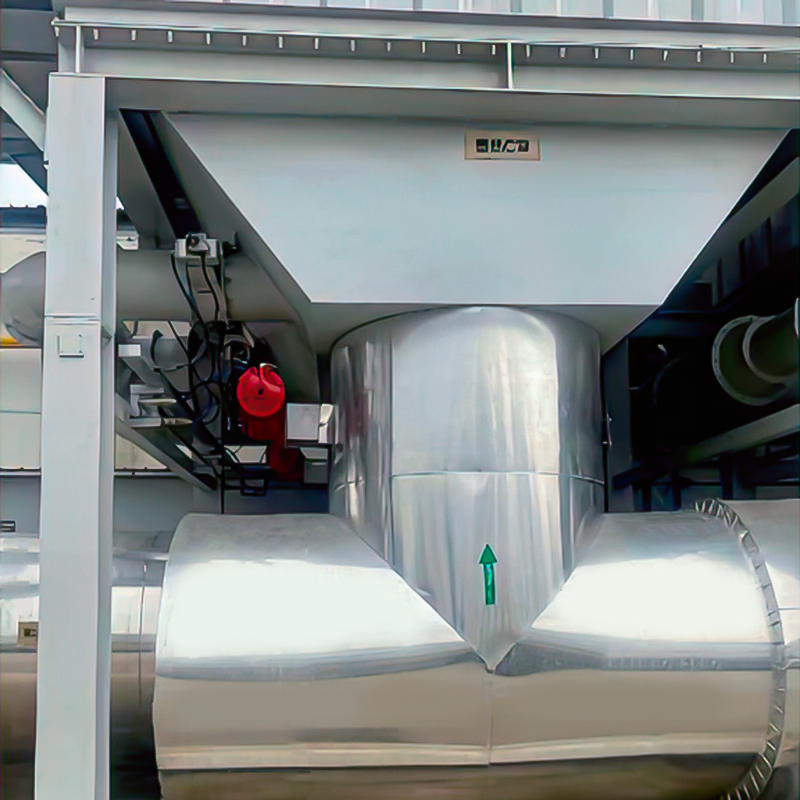
  • LQ-GXF صمام تخفيف الضغط عالي درجة الحرارة

    LQ-GXF صمام تخفيف الضغط عالي درجة الحرارة

    قطط:مُكَمِّلات

    غاية يستخدم بشكل رئيسي للتهوية النسبية لغاز المداخن عالية الحرارة. يستخدم LT على نطاق واسع في الأماكن التي لا تكون فيها متطلبات معدل التسرب...

    انظر التفاصيل
  • LQ-WPG خزانة الرش الأفقية

    LQ-WPG خزانة الرش الأفقية

    قطط:مُكَمِّلات

    ملخص يستخدم مبدأ إزالة الغبار الرطب عملية التقاط وفصل جزيئات الغبار في مرحلة الغاز عن طريق الاتصال بالكامل بمرحلتين سائل الغاز. حاليا ، الأ...

    انظر التفاصيل
فئات
  • معدات
  • هندسة
  • مُكَمِّلات
اتصل بنا
روابط سريعة
  • الصفحة الرئيسية
  • منتج
    • معدات
    • هندسة
    • مُكَمِّلات
  • الحلول
    • صناعة البتروكيماويات
    • صناعة الأدوية والمواد الكيميائية
    • صناعة الطلاء
    • صناعة الآلات
    • صناعة الرسم
    • صناعة الإلكترونيات
  • القدرة
    • البحث والتطوير
    • خدمة
    • تصنيع
  • معلومات عنا
    • شهادة
    • مصنع
  • أخبار
    • أخبار الشركة
    • أخبار الصناعة
    • أخبار المعرض
  • اتصل بنا
أخبار
  • How Does a Rotary Heat-Storage RTO Improve VOC Removal Efficiency?
  • Lvquan Environmental Protection Engineering Technology Co., Ltd – Invitation to the Shanghai Green Manufacturing Expo
اتصل بنا

رقم 100، الشارع الرئيسي، المنطقة الاقتصادية الجنوبية الجديدة، مدينة قايو، مقاطعة جيانغسو، الصين

البريد الإلكتروني: [email protected]

الهاتف: +86-13382748801

التلفون:+86-0514-84753397

رمز الاستجابة السريعة

وصف المنتج

Lv Quan Environmental Protection Engineering Technology Co., Ltd.

حقوق الطبع والنشر © Lv Quan Environmental Protection Engineering Technology Co., Ltd. جميع الحقوق محفوظة.

Lv Quan Environmental Protection Engineering Technology Co., Ltd.